
The Role of Decentralized Finance (DeFi) in the Transformation of the Financial Market
The Transformation of Financial Services
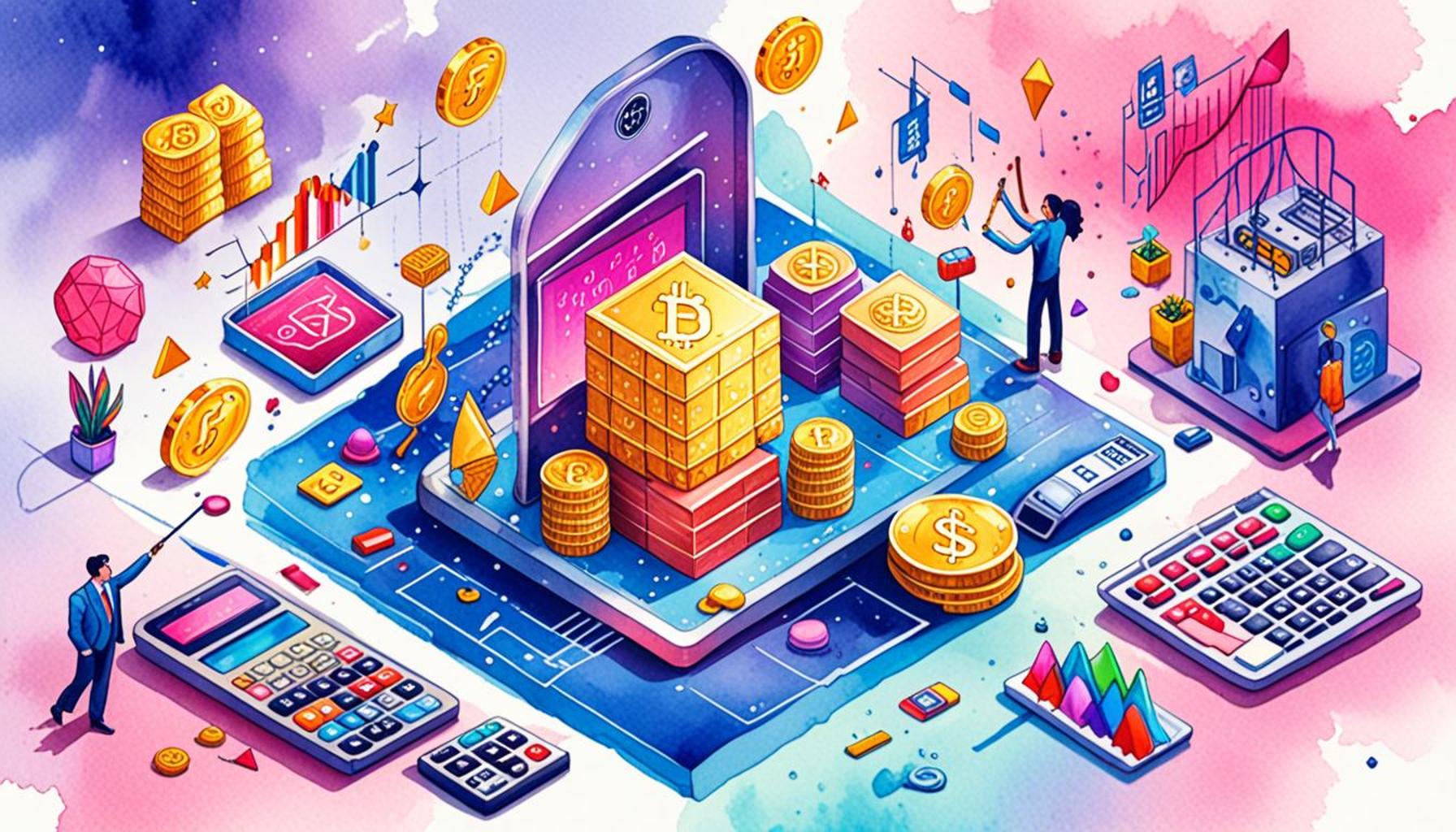
The financial landscape is undergoing a dramatic shift, driven by technological advancements and evolving consumer demands. This change is significantly influenced by Decentralized Finance (DeFi), a movement that seeks to challenge traditional financial institutions and systems. DeFi represents a fundamental rethinking of how financial services operate by utilizing blockchain technology to create an accessible and transparent financial ecosystem.
Key Features of DeFi
At its core, DeFi is characterized by several defining features that set it apart from conventional finance. These include:
- Peer-to-peer transactions: One of the primary innovations in DeFi is the ability to conduct transactions directly between users, thus eliminating intermediaries like banks or brokers. This not only reduces transaction fees but also expedites the process, allowing for real-time settlements that were previously unimaginable.
- Smart contracts: DeFi leverages smart contracts—self-executing agreements with the terms directly written into code. These contracts automate processes, such as lending or trading, without requiring intermediary involvement. For instance, platforms like Uniswap allow users to trade cryptocurrencies seamlessly using smart contracts, showcasing efficiency and transparency.
- Global accessibility: DeFi platforms can be accessed by anyone with an internet connection, regardless of geographic location. This opens up opportunities for millions who have been underserved or excluded from the traditional banking system, particularly in remote or underbanked regions.
Potential Benefits of DeFi
As the DeFi movement expands, it presents several potential advantages that can reshape the financial ecosystem:
- Increased financial inclusion: By allowing unbanked populations access to essential financial services, DeFi can help eradicate barriers imposed by traditional banking infrastructures. According to the World Bank, approximately 1.7 billion adults globally lack access to banking services, and DeFi solutions can bridge this gap.
- Enhanced security: DeFi protocols utilize cryptography to offer elevated security levels. Transactions are recorded on a blockchain, which is immutable and transparent, thereby reducing fraud risks. For example, lending via platforms like Aave allows users to borrow against their crypto holdings without exposing their identity or personal information.
- Innovative financial products: DeFi is not merely an alternative to traditional finance; it is creating entirely new financial instruments. From yield farming to decentralized autonomous organizations (DAOs), these innovations push the boundaries of what financial services can offer.
Implications for the United States
In the United States, the implications of DeFi are particularly profound, impacting areas such as lending, borrowing, insurance, and investment strategies. For example, companies engaging in DeFi can offer higher interest rates to depositors due to the elimination of overhead costs associated with traditional financial institutions.
As more individuals and institutions explore this new paradigm, understanding the implications of DeFi becomes essential for anyone interested in the future of finance. The investment landscape is evolving; investors must adapt to the opportunities presented by DeFi platforms while being mindful of risks such as market volatility and regulatory scrutiny.
In summary, Decentralized Finance is much more than a buzzword; it represents a pivotal shift toward a more inclusive, innovative, and efficient financial ecosystem. For those in the U.S., keeping abreast of developments in DeFi could unlock new avenues for financial growth and participation in a rapidly transforming world.
DISCOVER MORE: Click here for a step-by-step application guide
Advantages of Decentralized Finance (DeFi)
As the financial market transitions towards decentralized systems, the advantages of DeFi become increasingly evident. These advantages not only reshape our understanding of finance but also promise to democratize access to a wide range of financial services. Below are some of the key benefits that highlight the transformative potential of DeFi:
- Cost Efficiency: Traditional financial services often entail high fees due to multiple intermediaries involved in transactions, such as banks and brokers. DeFi eliminates these intermediaries, resulting in significantly lower transaction costs. This efficiency not only makes financial services more affordable but also increases the speed of transactions—empowering users to manage their funds in real-time.
- Transparency and Trust: The underlying blockchain technology that powers DeFi platforms provides a level of transparency that is often absent in traditional finance. Transactions are recorded on public ledgers, allowing anyone to verify and review them. This fosters trust among users, as they can independently audit protocols and ensure transparency in how their assets are managed.
- Programmable Money: DeFi extends the concept of money by enabling programmable finance. With smart contracts, users can automate complex financial transactions and set certain conditions under which funds can be released. This capability gives rise to innovative applications, such as insurance claims processed without human intervention, simplifying various financial processes.
- Decentralized Governance: Many DeFi projects operate on a governance model that empowers users to take part in decision-making processes. Through tokens, participants can vote on protocol changes, funding allocations, and upgrades. This decentralized governance ensures that the platform’s users have a voice, a stark contrast to centralized financial systems where decisions are often made by a select few.
These advantages contribute significantly to the appeal of DeFi, drawing users from various backgrounds, including tech enthusiasts, investors, and those previously marginalized by traditional banking. The opportunities presented by DeFi are not just theoretical; they are drawing real-world interest and investment.
In the United States, where financial innovation is rapidly evolving, the emergence of DeFi is pertinent. The rapid growth of decentralized lending platforms is a prime example. Platforms such as Compound and Aave allow individuals to lend their cryptocurrency while earning interest, a feature that challenges conventional lending conditions. Borrowers, on the other hand, may gain access to quick capital without the extensive vetting processes typically required by banks.
Moreover, as institutional players begin to acknowledge the potential of DeFi, venture capital is flowing into this sector, driving further innovation. According to a report from DeFi Pulse, the total value locked in DeFi protocols has skyrocketed, reaching billions of dollars, pointing towards a substantial shift in market dynamics.
The implications of these advancements stretch beyond individuals; they influence startups and established financial institutions alike, forcing them to rethink their strategies. Organizations are increasingly exploring how to integrate DeFi into their offerings to stay competitive and relevant in a rapidly changing market.
As DeFi continues to mature, the landscape of financial services is set to undergo a profound transformation, challenging the norms of traditional finance while inviting fresh opportunities for growth and development.
WANT TO LEARN MORE? Click here to discover the complete guide!
Challenges and Limitations of DeFi
While the advantages of decentralized finance (DeFi) are as compelling as they are transformative, it is essential to address the challenges and limitations that accompany this burgeoning sector. Understanding these impediments is crucial for both individuals and institutions considering an entry into the DeFi landscape. Below are some notable challenges that the DeFi market faces today:
- Security Risks: DeFi platforms are often built on smart contracts, which, although revolutionary, are also vulnerable to coding errors and hacks. High-profile breaches, such as the infamous hack of the Poly Network in 2021, which resulted in over $600 million being stolen, illustrate the precarious security landscape. Such incidents can deter potential users and investors, fostering skepticism about the reliability of DeFi systems.
- Regulatory Uncertainty: DeFi operates in a largely unregulated environment, which presents dual risks. On one hand, the lack of regulatory clarity allows for innovation, but it also creates an environment where users may find themselves exposed to fraudulent schemes or scams. As governments and regulatory bodies, particularly in the United States, begin to define their stance on cryptocurrencies and DeFi, the resulting framework could either support or stifle growth.
- User Experience Barriers: While DeFi aims to simplify finance, the reality is that many platforms require a certain level of technical knowledge that the average consumer may not possess. Wallets, private keys, and gas fees can be daunting for users unfamiliar with blockchain technology. This complexity can hinder mass adoption among individuals who might benefit from decentralized finance services the most.
- Volatility and Market Risks: DeFi platforms often deal in cryptocurrencies that are notorious for their volatile price movements. Such fluctuations can influence the value of collateralized assets significantly, impacting both lenders and borrowers alike. For instance, a borrower can face liquidation unexpectedly if the value of their collateral drops below a specific threshold. This risk adds a layer of complexity to the financial decision-making process.
The interplay of these challenges means that while DeFi has the potential to redefine the financial landscape dramatically, it also demands careful navigation. Players in the space must strike a balance between innovation and safeguarding against vulnerabilities. Financial institutions and lawmakers are beginning to recognize DeFi’s importance, which may lead to a more crafted regulatory environment—a development that could either foster further innovation or impose restrictions.
Moreover, the evolution of DeFi is contributing to an ongoing dialogue surrounding financial literacy and access. As the principles of decentralization gain traction, initiatives that focus on education and the dissemination of knowledge about blockchain and cryptocurrencies are likely to become critical. Empowering users with the information needed to cope with the technicalities of DeFi can promote not only participation but also logical decision-making, essential for a more inclusive financial ecosystem.
To illustrate the practicality of these developments, consider the growing interest in DeFi lending protocols like MakerDAO and its USDC collateralized lending. These platforms are increasingly viewed as alternatives for traditional lending, particularly in regions where banking access is limited. As DeFi projects continue evolving to address usability concerns and incorporate stronger security measures, there exists a bright potential for them to create equitable opportunities for all.
As DeFi evolves, so too will its opportunities. Forward-thinking individuals and businesses excitedly explore how decentralized finance can complement existing financial models, all while tackling the necessary considerations to ensure that they proceed with caution.
DON’T MISS: Click here to discover essential cash flow strategies
Conclusion
In conclusion, the rise of decentralized finance (DeFi) signifies a pivotal shift in the financial market, opening doors to innovation and accessibility that were once considered unattainable. The ability to bypass traditional intermediaries and empower users to take control of their financial assets speaks to a fundamental desire for inclusivity and transparency in finance. As outlined, DeFi platforms are challenging the status quo, providing alternatives to established banking practices while potentially transforming how we think about lending, borrowing, and wealth creation.
However, as with any emerging technology, the evolution of DeFi is accompanied by significant hurdles. Security risks, regulatory uncertainty, and complex user experiences pose critical challenges that must be addressed to foster sustainable growth. Investors and users must remain vigilant and informed, navigating these risks as they explore opportunities within this digital financial landscape. By advocating for clearer regulations and prioritizing the user experience, stakeholders can harness DeFi’s potential while minimizing adverse effects.
As we move forward, the emphasis on financial literacy will be crucial in bridging the gap between traditional finance and DeFi, ensuring that a broad spectrum of individuals can participate without fear of exploitation. With significant innovations on the horizon, DeFi stands poised to reshape not only individual financial journeys but also the overarching framework of the global economy.
Ultimately, the confluence of technology and finance heralds a new era, and whether DeFi becomes integrated into the global financial system or serves as an alternative ecosystem remains to be seen. What is clear, however, is that DeFi’s transformative potential is only just beginning to unravel, inviting both curiosity and caution as we witness its evolution in real-time.