The Role of Technology in Tax Optimization: Tools and Applications for Canadian Taxpayers
The Historical Influence of Economic Decisions on Taxation in Canada
Throughout the corridors of Canadian history, economic decisions have served as a cornerstone for the evolution of the nation’s financial systems. Tax policies, in particular, have been shaped by the socio-economic climate of the times, creating ripples that affect generations. For instance, the introduction of the Goods and Services Tax (GST) in 1991 marked a significant shift in how Canadians approached taxation. Initially met with mixed reactions, this pivotal change ultimately paved the way for a more unified tax structure across provinces, exemplifying how governmental fiscal strategies can undergo profound transformation to adapt to contemporary needs.
Fast forward to modern times, and the COVID-19 pandemic has necessitated further measures, leading to temporary tax relief programs and enhanced municipal support. This era has shown how governments can respond flexibly in critical situations, utilizing technology as an integral ally. As such, the application of technology in tax optimization not only streamlines the compliance process but also empowers taxpayers to enhance their financial outcomes.
Technological Advancements in Taxation
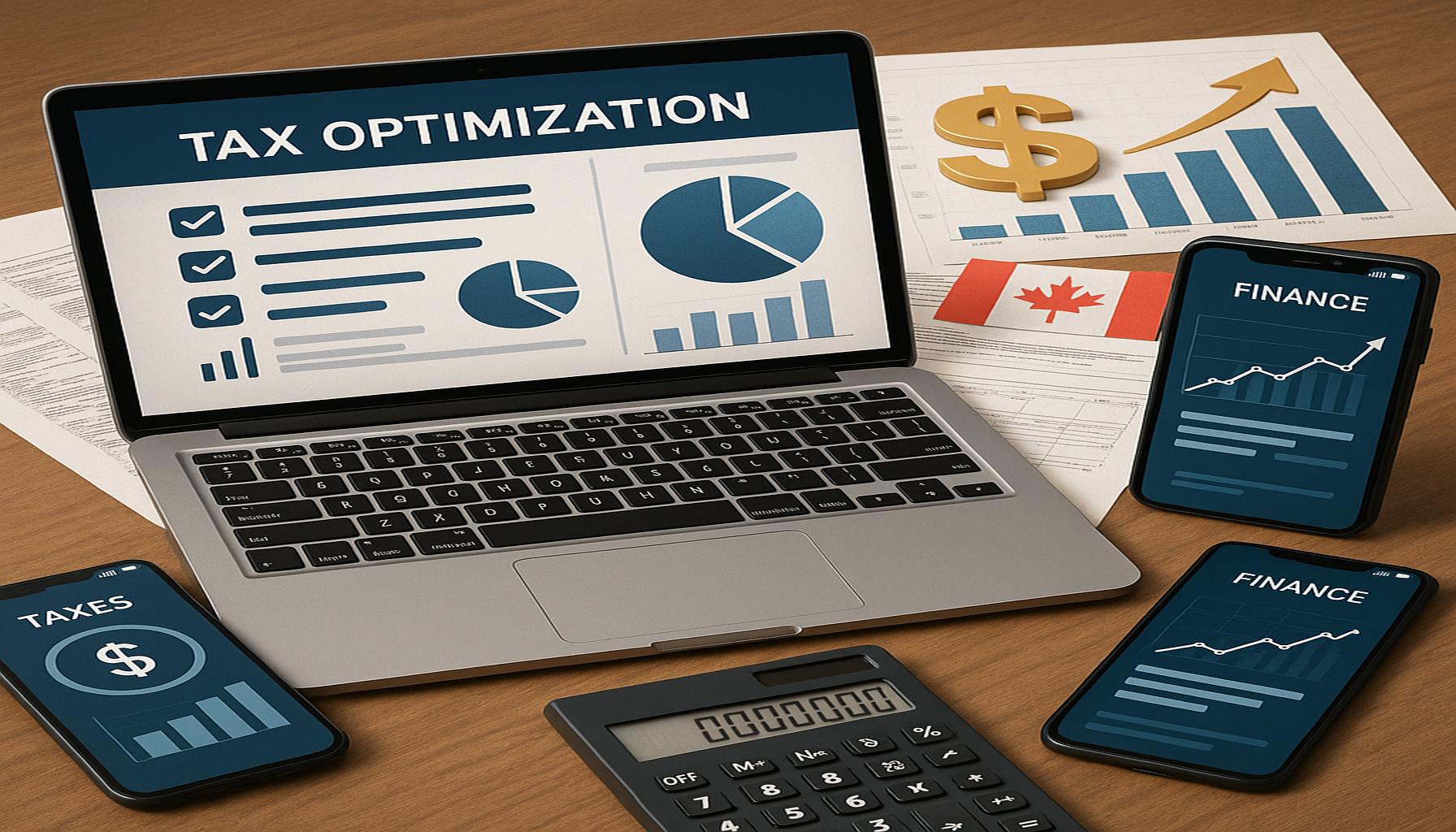
Recent technological innovations have revolutionized the tax landscape in Canada. Among these advancements, the following tools stand out as essential for taxpayers seeking to navigate their obligations efficiently:
- Tax Software: Programs like TurboTax and H&R Block automate complex calculations, enabling users to file their taxes with relative ease. Such software simplifies the arduous task of determining eligibility for各 deductions and credits, thereby increasing accuracy and efficiency.
- AI-driven Analysis: Sophisticated tools now employ artificial intelligence to predict tax liabilities and offer tailored strategy recommendations. These systems assess individual financial situations, helping taxpayers make informed decisions about potential tax deductions and credits they may have otherwise overlooked.
- Mobile Applications: The rise of mobile technology allows Canadians to track expenses and monitor their financial information in real-time. Apps like Expensify enable taxpayers to manage receipts and documents effortlessly, ensuring they are always prepared for filing season.
The Imperative of Embracing Change
Reflecting on past financial reforms, it is evident that leveraging technology is no longer optional for Canadian taxpayers. As the tax landscape grows increasingly intricate with each passing year, the lessons of history urge the adoption of modern tools to navigate this complexity effectively. In an era where technological advancements can significantly influence tax participation and accuracy, the notion of remaining stagnant seems untenable.
By understanding the historical context surrounding taxation in Canada, taxpayers can better appreciate the necessity of integrating technology into their financial strategies. In this way, the lessons learned from past economic decisions can be applied to foster a more efficient and informed approach to taxation, benefiting individuals and the country as a whole.
LEARN MORE: Click here for all the details
Harnessing Historical Insights for Modern Tax Optimization
The progression of taxation in Canada vividly illustrates how the economic decisions of the past have laid the groundwork for the tools we utilize today. Throughout history, pivotal moments—such as the implementation of the Income Tax Act of 1917 during World War I—remind us of the adaptability required in tax legislation to meet evolving national needs. The initial purpose of income tax was to fund wartime efforts, a temporary necessity that transformed into a permanent fixture of Canada’s fiscal structure. This historical pivot underscores the ongoing necessity for individuals and governments alike to embrace technological solutions that can efficiently navigate the complexities of ever-changing tax codes.
In the current era, as Canadians brace for fiscal adjustments spurred by economic pressures and government policy shifts, the ability to optimize tax liabilities hinges significantly on the adoption of technological tools. The past has taught us that adaptability and innovation are essential in responding to tax challenges. As a testament to this, look no further than the digitized processes now integral to the Canadian Revenue Agency (CRA), which continues to evolve in its approaches to facilitate taxpayer compliance and engagement.
Key Innovations Driving Tax Optimization
The modern taxpayer now stands at the intersect of tradition and innovation, with a plethora of technological advancements at their disposal. Appraising these innovations reveals how they not only honor past lessons but also empower Canadians to optimize their tax situations:
- Cloud-Based Solutions: With platforms like QuickBooks Online, taxpayers can organize their financial data in real time. This cloud technology ensures timely access to vital documentation, allowing for seamless collaboration with tax professionals and enabling proactive financial planning.
- Data Analytics: Contemporary tax tools harness the power of big data to analyze spending patterns, making it easier to identify potential deductions and credits that align with an individual’s financial profile. By leveraging these insights, taxpayers can make more informed decisions, mirroring the strategic fiscal thinking that characterized past tax innovations.
- Webinars and Online Resources: Educational initiatives, such as those offered by the CRA or professional tax associations, facilitate a deeper understanding of the tax code. By participating in these digital learning opportunities, Canadians can develop an awareness of available benefits and strategies reminiscent of community-focused tax education campaigns seen in the past.
The Significance of Understanding the Evolution of Taxation
The historical perspective on taxation serves as both a guide and a warning about the implications of technological integration. As we reflect on the successes and failures of past tax regimes, it becomes clear that embracing these modern tools does not diminish the importance of historical knowledge; rather, it enhances it. Canadian taxpayers equipped with the right technology can draw upon the lessons of yesteryear, applying a balanced approach of diligence and innovation that elevates their capacity for tax efficiency.
The journey through history reveals the necessity of balancing technological advancements with a comprehensive understanding of the fiscal landscape. By leveraging modern tools in ways that honor the past, today’s Canadian taxpayers can cultivate long-term financial wellness while remaining compliant with their obligations.
DIVE DEEPER: Click here to learn how to secure your financial future</
Modern Tax Strategies Rooted in Historical Precedent
As we delve into the present, it becomes increasingly clear that the challenges faced by Canadian taxpayers today echo those from previous decades. Historical economic events, such as the post-World War II economic boom, demand careful reflection. Taxpayers of that era learned the importance of capturing tax credits and deductions, especially as income tax structures evolved to accommodate growing incomes and increased economic activity. This understanding remains paramount as modern taxpayers navigate through complex tax codes, relying upon technology to exploit the benefits created through iterative legislative reforms.
The Digital Revolution and Tax Compliance
The foremost enabler of tax optimization today is the digital revolution, which has transformed both the way Canadians manage their finances and how the government assesses compliance. Consider the impact of the Canada Emergency Response Benefit (CERB) introduced during the COVID-19 pandemic. The government deployed digital platforms to ensure rapid distribution of funds while providing taxpayers with necessary documentation through the online portal. The ability to embrace technology has redefined how Canadians interact with their tax obligations, advancing the spirit of financial civic duty. Historical lessons demonstrate that when government and technology unite, compliance improves, reducing errors and mitigating the burden on taxpayers.
Emerging Technologies Empowering Taxpayers
In examining current trends, one cannot overlook the significance of emerging technologies like artificial intelligence (AI) and blockchain. AI algorithms analyze individual tax situations to provide personalized insights, enabling taxpayers to capture opportunities for deductions that may mirror successful tactics from previous economic crises. Taxpayers can now benefit from these technological frontiers, capturing nuances of the tax code with precision and efficiency. Furthermore, blockchain technology possesses the potential to enhance transparency in tax reporting and payments, reminiscent of the historical transitions toward more transparent financial practices in Canada.
Leveraging Mobile Applications for Enhanced Engagement
The rise of mobile applications marks another significant step forward in tax optimization. Apps such as TurboTax and H&R Block enable Canadians to complete their tax returns efficiently while retaining all necessary documentation digitally. These applications not only streamline the filing process but also highlight possible deductions, much like the advisories offered by tax professionals in earlier times when tax season was a daunting manual effort. With tailored alerts and reminders, these tools echo the historical innovation of professionals meeting taxpayer needs, fostering adaptability in the face of evolving tax laws.
The Influence of Social Media and Online Communities
Beyond formal tools, the influence of social media and online communities has reshaped the discourse surrounding tax optimization. In an era where information is democratically shared across platforms, Canadian taxpayers find themselves engaged in forums and discussions that illuminate effective tax strategies. Historical tax seminars served the same purpose, gathering individuals in physical spaces to educate and empower. However, today, the reach of social media transcends geographical boundaries, fostering a collective intelligence that bolsters understanding, shares experiences, and promotes best practices in tax management.
Through these technological advancements, the spirit of collaboration that laid the groundwork for legislative evolution continues to thrive in the digital age. By leaning on the insights gleaned from both history and modern innovation, Canadians can deftly position themselves to not only comply with their obligations but also enhance their financial wellness through tax optimization strategies.
DISCOVER MORE: Click here for the application guide
Conclusion: Bridging History and Technology in Tax Optimization
As we conclude this exploration of the role of technology in tax optimization for Canadian taxpayers, it is evident that the integration of modern tools and applications reflects a continuation of historical practices infused with contemporary innovation. The lessons learned from past economic fluctuations underscore the necessity for taxpayers to remain vigilant and adaptative, as they navigate an increasingly complex tax landscape. The parallels drawn between historical financial behaviors and today’s technological advances present a compelling narrative that emphasizes the importance of strategic financial management.
The digital revolution, marked by tools such as AI, blockchain, and mobile applications, offers new avenues for taxpayers to engage with their financial responsibilities. These advancements not only enhance compliance but also empower individuals to seize opportunities that were previously challenging to identify. The accessibility of information via social media platforms and online communities further democratizes knowledge, enabling Canadians to benefit from shared experiences and insights into effective tax strategies.
As taxpayers reflect on their obligations through the lens of historical economic events, they are reminded that the confluence of technology and personal finance has the potential to both simplify compliance and amplify financial wellness. Ultimately, embracing these innovations and leveraging the lessons from the past equips Canadian taxpayers to not only fulfill their obligations but also optimize their financial outcomes, ensuring a proactive approach to tax management. In navigating the future, Canadian taxpayers stand to benefit immensely from the synthesis of technology with a rich historical backdrop, paving the way for informed, strategic financial decisions.