The Role of Technology in Tax Optimization: Tools and Applications for Canadian Taxpayers
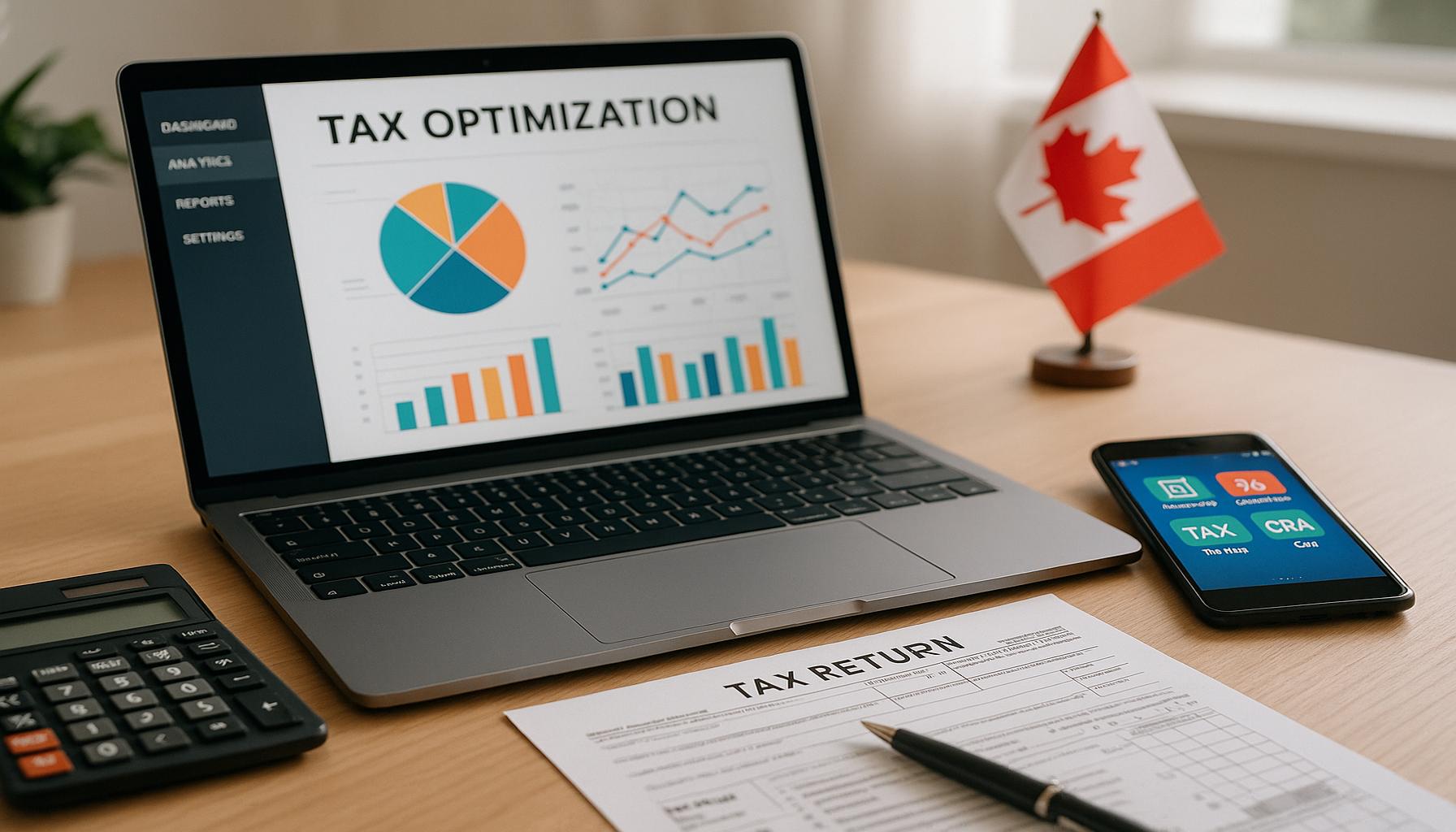
Technological Advancements in Taxation
The landscape of finance has always been tethered to the currents of technological change. In Canada, this relationship is evident in the transition from traditional manual bookkeeping, characterized by detailed ledgers and the scribbles of accountants, to the streamlined processes offered by modern digital solutions. This evolution not only marks a significant milestone in bookkeeping methods but also opens a myriad of opportunities for tax optimization. For today’s Canadian taxpayers, grasping the nuances of these innovations is vital for astute financial management.
Historical Context and Lessons Learned
Reflecting on historical financial trends reveals the necessity for strategies that evolve with the times. Notably, significant financial crises, such as the recession of the late 2000s, underscored the critical nature of effective financial oversight. During this period, many individuals and businesses faced challenges rooted in poor financial decision-making and inadequate tax planning. The lessons gleaned from such events highlight the importance of adaptability and strategic foresight to navigate fiscal challenges successfully.
Tools like the internet and cloud computing have played pivotal roles in reshaping how Canadians approach their taxes. In the past, accessibility to tax information was often limited to physical locations and set office hours. Now, taxpayers enjoy remarkable ease of access to a wealth of information and online resources from virtually any location. For example, popular platforms like TurboTax and SimpleTax allow users to file their taxes from the comfort of their homes, making the process more user-friendly and less intimidating.
Contemporary Benefits of Technology in Taxation
The modern tools at our disposal yield a range of advantages. Firstly, increased accessibility means that taxpayers can engage with their financial information on their schedule. This flexibility encourages more proactive engagement with tax responsibilities. Secondly, with the rise of sophisticated software solutions, we see enhanced accuracy in tax filings. Automated systems and algorithms minimize human error, which has traditionally plagued manual processes. For instance, software can automatically apply the latest tax rules, ensuring compliance and accuracy beyond human recall.
Thirdly, the integration of automation results in improved efficiency. Many software solutions not only facilitate tax preparation but also streamline ongoing bookkeeping, allowing businesses and individuals to save significant time. This efficiency is particularly beneficial for small business owners, who can now allocate resources previously devoted to tedious paperwork toward growth and innovation.
The Path Forward
As we further explore the digital tools available for tax planning, the critical understanding becomes clear: technology is not merely an enhancement of traditional practices; it is a fundamental element of effective tax strategy in today’s landscape. The innovations in tax software and digital accounting have transformed how Canadians navigate their fiscal responsibilities, turning them into proactive participants in their financial future.
In essence, the convergence of technology and finance allows for a sophisticated approach to taxation that can help mitigate risks and enhance fiscal well-being. By learning from our past and leveraging current advancements properly, Canadian taxpayers are equipped to optimize their tax strategies and achieve greater financial stability.
DISCOVER MORE: Click here to learn how to apply now
The Evolution of Tax Tools in Canadian Context
As we delve deeper into the contemporary advantages of technological advancements in taxation, it is imperative to consider the historical context that has paved the way for the innovations we witness today. Canada’s taxation landscape has evolved significantly over the past few decades. The abrupt shifts in economic policies and the introduction of various tax relief initiatives during the late 20th century shaped a more dynamic fiscal environment. The Goods and Services Tax (GST) introduction in 1991 exemplified Canada’s shift towards modernization, while the global push for digital solutions further influenced how Canadians interact with their taxes.
Historically, taxpayers in Canada grappled with the complexities of paper-based tax systems that often led to frustration and errors. Remember, the reliance on manual submissions and the limited availability of guidance often resulted in misconceptions and missed opportunities for tax optimization. It was during this turbulent period that the emergence of digital tools began to change the game. The integration of computers into accounting practices served as a critical turning point, laying a foundation for future innovation.
Impact of Technology on Tax Preparation
Today, Canadian taxpayers have access to an array of technological tools designed to streamline the tax preparation process. This shift not only reflects the technological advancements of our time but also emphasizes the lessons learned from past inefficiencies. Some key technological developments that have transformed tax preparation include:
- Online Platforms: Accessible from any device, software such as H&R Block and TaxTron offers user-friendly interfaces that guide taxpayers through the filing process, ensuring that accurate information is inputted and maximizing deduction opportunities.
- Artificial Intelligence: AI-driven software provides personalized advice and generates tailored recommendations based on individual financial situations, thereby reducing the complexity associated with tax planning and compliance.
- Mobile Apps: Applications designed for smartphones and tablets allow for real-time tracking of receipts and tax-deductible expenses, empowering taxpayers to maintain accurate records without the burden of manual documentation.
- Data Analytics: Advanced data analysis tools help taxpayers forecast potential tax liabilities, enabling more proactive financial planning and minimizing surprises during tax season.
The implications of these advancements cannot be overstated. By leveraging technology, Canadian taxpayers can reclaim precious time previously consumed by tedious paperwork and embrace a more strategic approach to their tax obligations. Moreover, the improved accuracy and compliance offered by these digital tools mitigate the risks associated with audits and penalties, a significant concern for both individuals and businesses alike.
Reflecting on the past, it becomes clear that the adaptation and integration of technology into taxation is not merely a response to contemporary demands; rather, it is a continuation of a historical journey towards greater efficiency and accountability. The willingness of Canadian taxpayers to embrace these tools signifies a collective understanding of the potential benefits that lie in adopting a proactive stance towards tax optimization. With these insights in mind, it is evident that the path ahead will be paved with even more innovative solutions as the synergy between technology and taxation continues to flourish.
DISCOVER MORE: Click here to learn how to apply
Current Innovations and Future Possibilities
The rapid advancement of technology has not only transformed how Canadians prepare their taxes but has also opened the door to innovative solutions that enhance tax optimization. As we explore the current innovations available, it becomes apparent that the intersection of technology and taxation is evolving into a pivotal arena for financial strategy. Recognizing the historical context allows us to appreciate formlessly the sheer potential of these developments and how they align with past lessons.
Emergence of Blockchain Technology
One of the most groundbreaking technologies to gain traction in recent years is blockchain. Initially recognized for its association with cryptocurrency, blockchain technology can revolutionize tax processes by enhancing transparency and traceability. For Canadian businesses and taxpayers, blockchain can facilitate real-time reporting of transactions, which is particularly beneficial in proving income sources and deductible expenses. The historical reliance on manual record-keeping often resulted in errors and discrepancies; blockchain’s immutable nature offers a remedy for this past issue by safeguarding data integrity and ensuring compliance with tax regulations.
Expanding Use of Cloud Computing
Furthermore, the rise of cloud computing has transformed data storage and access for Canadian taxpayers. Unlike the limitations of traditional storage solutions, cloud services afford taxpayers the ability to maintain their financial records securely and access them from anywhere, at any time. This flexibility is reminiscent of earlier fiscal challenges when the requirement to keep physical documents often led to lost receipts and missed claims. By utilizing cloud-based tax software, individuals can efficiently track their financial activities and prepare their submissions with greater accuracy, fostering an environment conducive to tax optimization.
Integration of Virtual Tax Advising
Building on the technological transformation is the growing trend of virtual tax advising. With the rapid ascent of telecommuting, Canadian taxpayers increasingly seek guidance through online platforms. Virtual tax consultants enable taxpayers to receive real-time advice without geographical limitations, expanding access to expertise that was once confined to local offices. The lessons from the past show that having timely access to financial advice can lead to significant tax savings, and this shift toward virtual consulting echoes the demand for more accessible and efficient solutions in a continuously evolving economy.
Utilization of Tax Simulation Tools
Another exciting advancement lies in the development of tax simulation tools. These tools allow taxpayers to run hypothetical scenarios based on their financial activities, providing invaluable insights into the potential implications of various choices on their tax liabilities. Drawing parallels to the early days of tax planning, when taxpayers relied heavily on manual estimates and assumptions, current tax simulation technology exemplifies how progress has paved the way for accurate forecasting and informed decision-making.
Moreover, these innovations contribute to a broader culture of financial literacy, encouraging Canadians to take proactive steps towards understanding their tax obligations. The evolution from outdated practices to sophisticated technological solutions illustrates a critical narrative in the Canadian fiscal landscape: a collective ambition toward optimization and efficiency that resonates with the lessons of history.
As we embrace the continuous advancements in technology, we remain cognizant of the historical lessons that have shaped our current landscape. The integration of these innovative solutions empowers Canadians to navigate the complexities of taxation with newfound mastery, asserting that the future of tax optimization hinges on the prudent and intelligent application of technology.
DISCOVER MORE: Click here to find out how to apply
Conclusion
In conclusion, the role of technology in tax optimization for Canadian taxpayers has ushered in a new era of financial management that echoes the lessons of our fiscal history. As Canadians look back on the complexities of past tax practices, the transformative power of innovations such as blockchain, cloud computing, and virtual tax advising becomes evident. These technological advancements not only streamline the tax process but also build a foundation for greater transparency and accuracy in managing tax obligations.
The emergence of tools like tax simulation tools serves as a significant reminder of the strides we have made since the cumbersome manual approaches of the past. By providing critical insights and enhancing financial literacy, these innovations empower Canadian taxpayers to take charge of their financial futures, formulate informed decisions, and ultimately optimize their tax savings.
As we stand on the brink of further technological advancement, it is crucial to reflect on how the lessons learned from earlier economic practices shape our current approach to taxation. The integration of technology reveals a clear path towards a more efficient tax system, fostering a culture of proactive financial engagement. Looking forward, the potential of technology in tax optimization promises to heighten the capabilities of Canadian taxpayers, ensuring that they are well-equipped to navigate the ever-evolving landscape of taxation.
Ultimately, embracing these technological tools not only represents an evolution in tax practices but also a profound commitment to financial well-being in a modern economy. The future of tax optimization lies, therefore, in our ability to harness these innovations wisely and effectively.