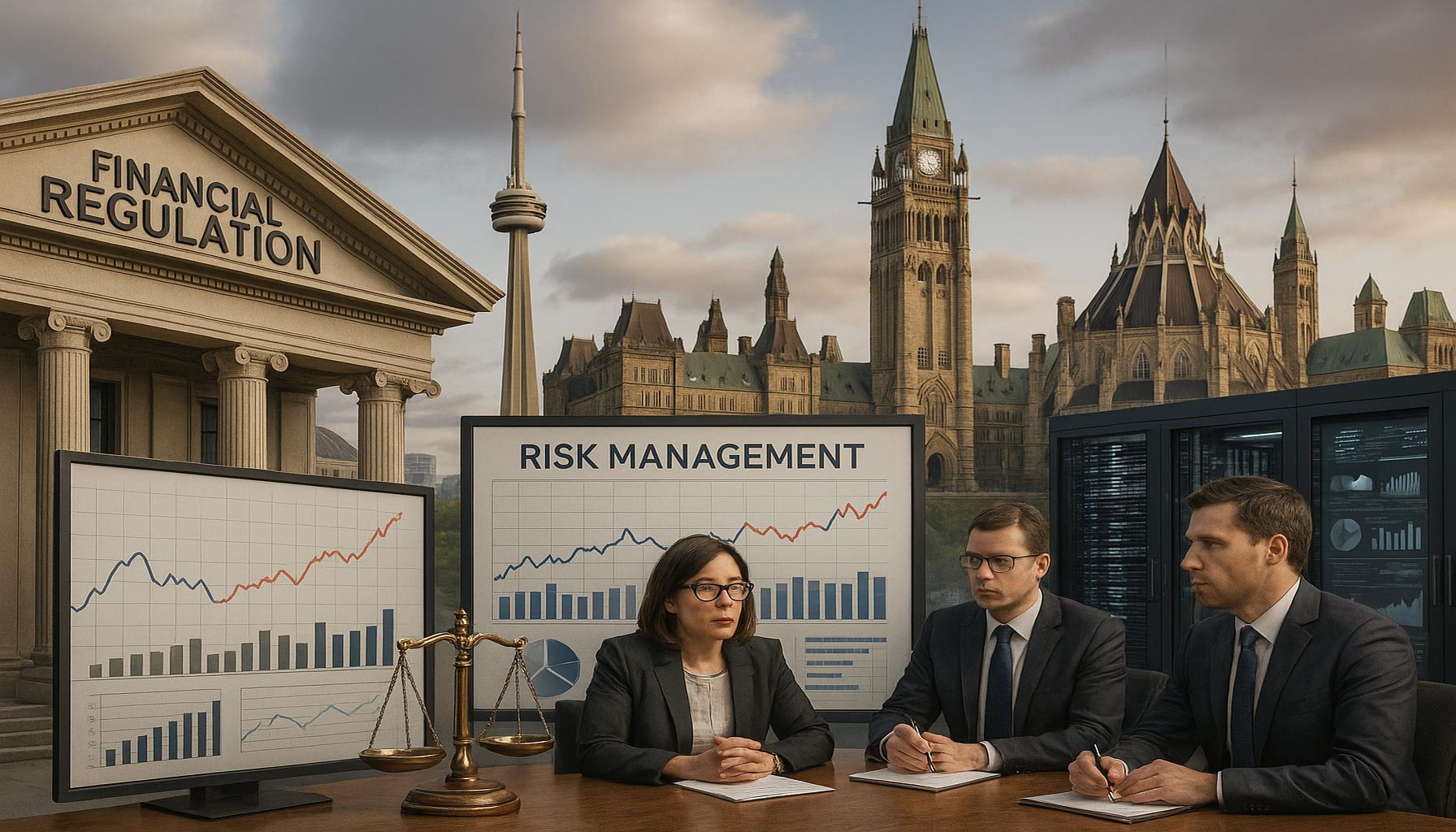
The Role of Risk Management in Mitigating Economic Crises: Lessons Learned in the Canadian Context

The Importance of Learning from Economic Crises
The historical narrative of economic crises is interwoven with the lessons gleaned from past economic turmoil. In Canada, the reverberations of significant financial events—such as the Great Depression of the 1930s and the global financial crisis of 2008—serve as stark reminders of the pressing need for robust risk management strategies. These experiences serve to underline that proactive measures are essential to shield the economy from future shocks and to foster a resilient financial landscape.
During periods of economic instability, effective risk management has proved crucial in maintaining financial stability. Examining notable historical examples provides context for understanding why these measures are vital:
- 1970s Oil Crisis: The economic turmoil during the 1970s, spurred by oil price shocks, highlighted Canada’s over-reliance on energy imports. In response, Canadian policymakers initiated strategies to diversify energy sources, invest in renewable energy, and develop alternative fuels. This response has paved the way for Canada’s commitment to sustainability and energy independence. For instance, programs promoting hydroelectricity and wind energy emerged, securing the nation’s energy supply and reducing vulnerability to global oil market fluctuations.
- 2008 Financial Crisis: The ramifications of the global financial collapse were felt worldwide, but Canada’s banking system displayed resilience, partly due to its stringent regulatory framework. Lessons learned from international banking failures led to the implementation of stress tests for financial institutions. These measures ensured that Canadian banks maintained adequate capital reserves to weather economic downturns, ultimately protecting the economy from significant impacts that other nations experienced.
- COVID-19 Pandemic: The unprecedented challenges posed by the COVID-19 pandemic underscored the importance of adaptive risk management practices. The Canadian government swiftly implemented economic relief measures such as the Canada Emergency Response Benefit (CERB) and support for businesses through the Canada Emergency Wage Subsidy (CEWS). These nimble responses were designed to cushion the immediate economic impact, demonstrating the necessity for timely decision-making in mitigating risks during crises.
These historical instances clearly illustrate a consistent pattern: understanding and addressing risks fortifies the economy against future challenges. As we explore the intricacies of risk management, it is important to recognize how insights from Canada’s history inform current risk assessment strategies. The Canadian context offers a unique perspective, skillfully merging lessons from past economic upheavals with present-day applications in risk management, thereby ensuring a more robust and resilient economic environment for the future.
In conclusion, the journey through historical economic crises reveals an ongoing dialogue about risk management, adaptation, and resilience. By learning from the past, Canada can better navigate the complexities of contemporary financial challenges and emerge stronger in the face of uncertainty.
DISCOVER MORE: Click here to learn about effective tax planning strategies
Historical Insights: Shaping the Landscape of Risk Management in Canada
The evolution of risk management in Canada can be traced through a series of pivotal economic events that have compelled policymakers and financial institutions to reassess their approaches. A closer examination of these defining moments reveals how strategies have developed over time, enabling Canada to forge a path toward greater economic resilience.
The Great Depression of the 1930s marked a significant turning point. Faced with unprecedented unemployment and bank failures, Canadian authorities understood the necessity to implement more stringent financial regulations. The establishment of the Bank of Canada in 1934 and the introduction of deposit insurance were direct responses to these challenges. These measures not only aimed to restore public confidence in the banking system but also served as lessons for future economic governance. Today, the legacy of these reforms continues to influence how economic risks are assessed, reminding us that strong regulatory frameworks can safeguard the financial infrastructure.
Another significant learning opportunity arose during the early 1990s recession. The economic downturn was characterized by high inflation and skyrocketing interest rates, which plunged many Canadians into financial uncertainty. The response included a multifaceted approach aimed at stabilizing the economy through monetary policy adjustments and fiscal responsibility. These actions highlighted the essentiality of timely risk assessment and proactive intervention, laying a framework for contemporary measures such as dynamic monetary policy that can adapt to external pressures on the economy.
In recent years, the impact of the global financial crisis of 2008 remains a potent reminder of the interconnectedness of global economies. Canadian banks, having observed the downfall of their international counterparts, adopted a series of structural adjustments, including enhancing capital requirements and leveraging advanced risk assessment tools. The result of these measures not only fortified Canada’s banking sector but also instilled a culture of vigilance and foresight towards emerging risks. Institutions such as the Office of the Superintendent of Financial Institutions (OSFI) play a crucial role in upholding these regulatory standards, continually evolving them in response to new findings and insights.
- Financial Literacy: An ongoing initiative aimed at enhancing Canadians’ understanding of financial products, promoting caution and informed decision-making.
- Technological Advancements: The integration of fintech solutions in risk management, enabling real-time data analysis and risk monitoring, transforming the speed and accuracy of assessments.
- Preparedness for Pandemics: The lessons from COVID-19 have ignited discussions on the need for a more flexible approach to crisis management in the face of unforeseen global challenges.
In dissecting these critical junctures, it becomes evident that effective risk management is not a static entity but rather a dynamic process informed by historical contexts. Each economic challenge has borne lessons that continue to resonate in Canada’s ongoing dialogue about financial stability. Drawing from the past enables contemporary decision-makers to foster an environment prepared for the uncertainties of tomorrow, emphasizing that foresight and adaptability are essential for enduring prosperity.
DISCOVER MORE: Click here to learn about risk mitigation strategies
The Interplay of Legislation and Economic Stability
The lessons garnered from Canada’s past economic crises serve not only as cautionary tales but as blueprints for legislative initiatives that actively shape risk management today. Among the most vital legislative responses was the passage of the Bank Act, which underwent significant reforms over the years, particularly in light of emerging financial vulnerabilities. By establishing a robust framework for risk assessment and capital adequacy, this legislation has ensured that Canadian banks navigate potential crises with greater resilience, emphasizing a proactive stance rather than a reactive one.
Notably, the 2012 Federal Budget introduced measures aimed at bolstering financial regulation, including tighter guidelines for the mortgage market, which aimed to prevent boom-and-bust cycles similar to those experienced during the 2008 crisis. This adaptation highlights a continuous evolution in Canadian financial policy, wherein legislators recognize that foresight and steadfast regulations can dampen the severity of future economic downturns. Moreover, the emphasis on maintaining a stringent stress-test regimen for banks solidifies the commitment to safeguard the public’s interest against hidden vulnerabilities.
The growing body of research on climate-related financial risks has introduced an additional layer of complexity to risk management strategies in Canada. The increasing frequency of natural disasters has prompted the federal government to incorporate environmental assessments into financial regulation. Initiatives such as the Canadian Institute of Actuaries’ Climate Change Task Force aim to generate actionable insights and recommendations, ensuring that the broader economic landscape takes into account the diverse risks posed by climate change. By recognizing potential economic impacts stemming from environmental shifts, Canada strengthens its resilience against crises that may arise from this factor.
- Indigenous Communities and Economic Risk: The recognition of the unique economic vulnerabilities faced by Indigenous communities has informed risk management practices. Policies aimed at fostering economic development in these areas acknowledge the need for tailored support, reflecting a commitment to inclusive economic policy.
- Global Supply Chains: The COVID-19 pandemic spotlighted the fragility of global supply chains, underscoring the need for diversification and local sourcing. Canadian businesses are now encouraged to reevaluate their dependencies, fostering a culture of resilience that mitigates the potential impact of future disruptions.
- Cybersecurity Measures: As the digital landscape evolves, so do associated risks. The implementation of cybersecurity protocols in risk management frameworks is paramount, as businesses grapple with not only financial but also reputational risks stemming from compromised data security.
The intersection of legislative action and risk management in Canada showcases an ongoing commitment to adaptability and foresight. With every economic upheaval, policymakers and financial institutions refine their strategies, learning from the challenges and adjusting to new realities. The emphasis on evolving legislative frameworks indicates a forward-thinking approach, as Canada anticipates potential crises rather than merely reacting to them. In this context, risk management becomes not only a tool for crisis mitigation but also a proactive safeguard for the Canadian economy, ensuring a robust foundation as it navigates an increasingly complex and interconnected world.
DISCOVER MORE: Click here for insights on applying for the Amex SimplyCash Preferred Card</a
Conclusion
The trajectory of Canada’s economic landscape underscores the profound significance of risk management in mitigating crises. Historical events, from the Great Depression to the 2008 financial crisis, delineate the urgent need for robust frameworks that prioritize discernment and vigilance. Each crisis has catalyzed refinements in legislative measures, such as the evolution of the Bank Act and the enhancements in mortgage regulations, which serve as pivotal instruments for ensuring financial stability. The proactive strategies adopted by Canadian legislators exemplify an understanding that prevention is as crucial as reaction.
Furthermore, the complexities introduced by climate change, technological advancements, and evolving global dynamics necessitate an adaptable approach to risk management. The integration of emerging risks—from environmental assessments to cybersecurity protocols—highlights a commitment to a comprehensive risk landscape, ensuring that no facet of the economy is overlooked. Observations regarding Indigenous communities and global supply chain vulnerabilities further elucidate the diverse challenges that demand targeted solutions, reinforcing the importance of inclusive and diversified economic strategies.
Ultimately, Canada’s experiences offer valuable lessons for both policymakers and financial institutions. The ongoing refinement of risk management practices not only fortifies the economy against impending crises but also cultivates a resilient culture that embraces foresight and adaptability. As the nation progresses, the legacy of past economic challenges continues to shape a more enlightened approach, setting a precedent for future preparedness. In this framework, risk management evolves into a cornerstone of economic stability, serving as both a shield against uncertainty and a beacon for sustainable growth.

Linda Carter
Linda Carter is a writer and financial expert specializing in personal finance and financial planning. With extensive experience helping individuals achieve financial stability and make informed decisions, Linda shares her knowledge on our platform. Her goal is to empower readers with practical advice and strategies for financial success.