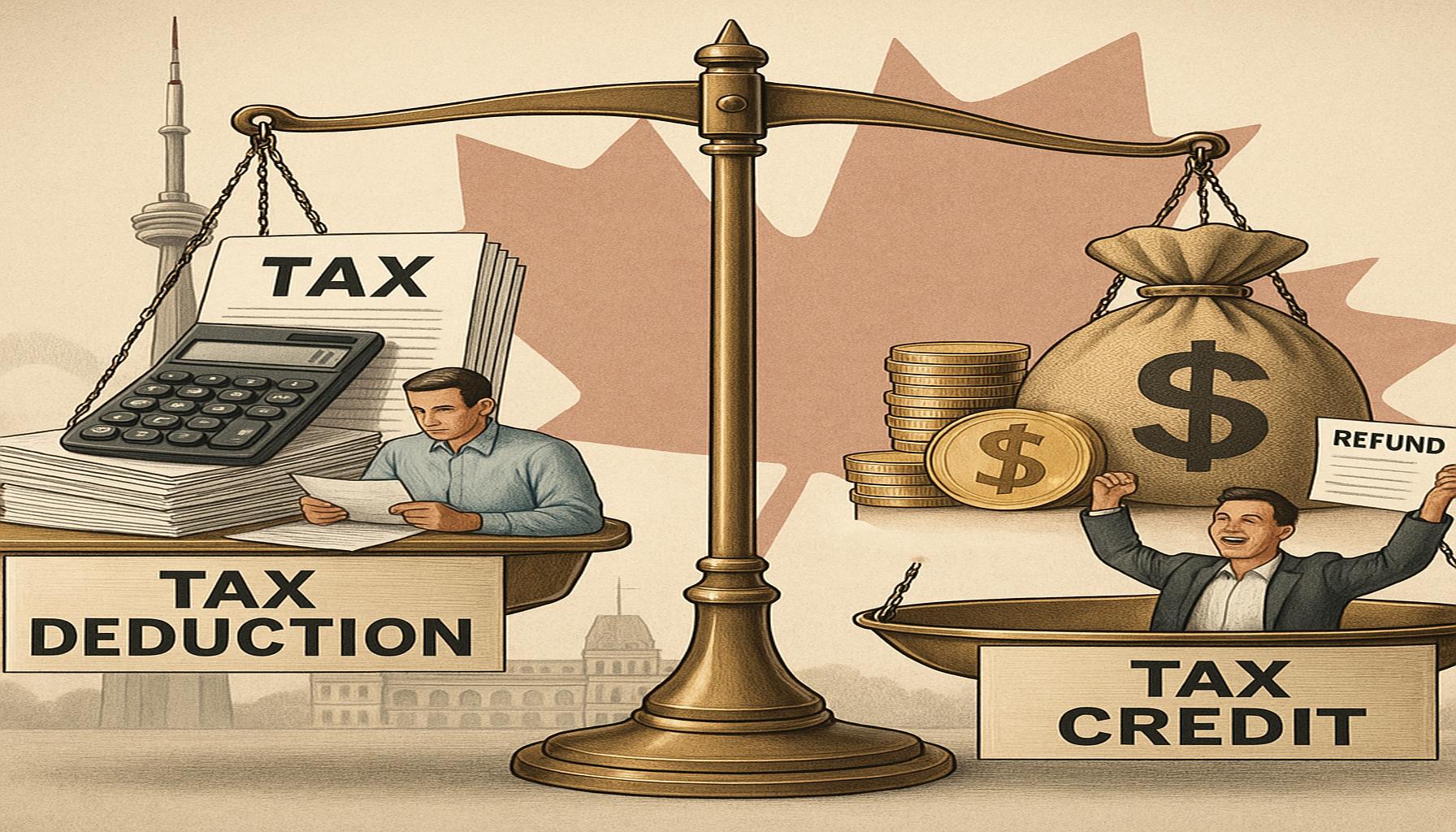
The Impact of New Tax Laws on Tax Optimization for Canadian Residents

The Impact of Tax Legislation on Economic Behavior
Tax laws serve as a crucial influence not only on government financing but also on the economic behaviors of individuals and corporations. They reflect the prevailing economic philosophies and political ideologies of their times. In Canada, the evolution of these tax regulations has shaped personal and corporate financial strategies significantly over the years.
From the introduction of the Goods and Services Tax (GST) in 1991, Canadians have witnessed a fundamental shift in the taxation landscape. The GST, which replaced the Manufacturer’s Sales Tax (MST), was designed to create a fairer tax system and simplify the consumption tax approach. This change was pivotal, as it enabled the government to broaden the tax base and increase revenues without directly impacting personal income taxes, which remained a contentious issue. The implications of such a shift continue to be felt today, as consumers and businesses adjust their spending and pricing strategies accordingly.
The 1990s brought about significant economic reforms that aimed to address fiscal deficits and modernize Canada’s tax framework. These reforms laid the foundation for the modern tax system, implementing changes that propelled economic growth while ensuring that tax obligations were balanced with the government’s fiscal responsibilities. During this decade, there was a strong push towards reducing marginal tax rates, which not only encouraged entrepreneurial ventures but also aimed to increase disposable income for the middle class. This approach has had lasting impacts, as lower tax rates can often lead to increased consumer spending and investment, which in turn stimulates economic growth.
In more recent years, new tax incentives have been introduced with the intent to stimulate the Canadian economy and attract foreign investments. For example, the introduction of the Scientific Research and Experimental Development (SR&ED) tax credit has incentivized businesses to invest in innovation and technology development. Such incentives are crafted not just as a short-term economic boost but as long-term strategies aiming to position Canada as a leader in emerging industries.
However, with these changes come complexities that necessitate a deep understanding of the current tax structure. Recent legislative changes have introduced myriad new provisions and credits that can create confusion for taxpayers. Individuals and corporations alike must stay informed to navigate these complexities effectively. Misinterpreting tax obligations or overlooking potential deductions can result in substantial financial repercussions.
Understanding the implications of these evolving tax laws requires a historical lens; past trends provide valuable lessons that can inform our current financial decision-making. The necessity for adaptation in response to new regulations remains crucial for effective tax optimization. Today’s Canadian taxpayers are often forced to reassess their strategies to align with this constantly changing environment.
As we delve deeper into the nuances of current tax law changes, it becomes clear that informed decision-making is not just beneficial but essential. By analyzing both historical and recent developments, individuals and corporations can better position themselves to capitalize on available opportunities while mitigating potential risks in today’s intricate economic landscape.
DISCOVER MORE: Click here to learn how to apply
Historical Insights into Tax Optimization Strategies
The evolution of Canada’s tax laws reflects a continuous effort to balance revenue generation with the citizens’ economic realities. Historical shifts in tax policy have often necessitated changes in tax optimization strategies for residents, underscoring the importance of adaptability in personal and corporate finance. By examining past reforms, we can derive crucial lessons that inform today’s financial decisions.
One pivotal moment was the 1997 Tax Reform, which sought to eliminate various tax loopholes and broaden the tax base, leading to a simplified tax structure. These reforms significantly reduced the overall number of tax brackets, clarifying obligations for middle-income Canadians while enhancing compliance. The implications were profound, as taxpayers became more aware of their liabilities while benefiting from decreased rates. This historical precedent illustrates the governmental inclination to refine tax codes to promote fairness and stimulate economic engagement. As a response, Canadian taxpayers began developing strategies that leveraged simpler tax obligations for greater financial efficiency.
Fast forward to more recent tax measures introduced during the COVID-19 pandemic, the landscape has undergone another recalibration. Initiatives like the Canada Emergency Wage Subsidy (CEWS) and the Canada Recovery Benefit (CRB) have provided temporary relief but brought complexities to tax preparation for individuals and businesses alike. For residents, understanding how these benefits impact their taxable income was essential to optimizing overall tax liabilities. This marked a shift towards a more holistic approach to tax optimization, requiring residents to consider not just their income but also the government support they received, as these factors interacted in their tax filing processes.
Taxpayers must remain vigilant and informed as new laws emerge. Consider the following strategies that Canadian residents have historically leveraged to optimize their tax situations:
- Utilizing tax-advantaged accounts such as Registered Retirement Savings Plans (RRSPs) and Tax-Free Savings Accounts (TFSAs), which provide opportunities for tax deferral and growth without immediate taxation.
- Claiming deductions and credits effectively – staying informed about available credits such as the GST/HST credit can ensure that residents do not leave money on the table during tax season.
- Investing in financial education to navigate complex tax laws; understanding changes can empower individuals to make strategic decisions that align with their financial goals.
Moreover, historical precedents suggest that taxpayers who proactively seek advice from tax professionals or engage in tax planning are often better positioned to maximize benefits while reducing liabilities. The changes in tax law are not merely regulatory updates; rather, they serve as signals for designing comprehensive tax strategies that promote long-term financial stability.
As we examine the current tax landscape, understanding the implications of past legislative changes is invaluable. Just as Canadians adapted to earlier reforms, today’s residents must actively engage with the evolving tax structure to ensure optimal outcomes in their financial endeavors. By learning from history, individuals and businesses can better navigate the complexities of new tax laws, ultimately fostering a more resilient economic environment for all Canadians.
DISCOVER MORE: Click here to find your perfect credit card
Adapting to Modern Tax Laws: New Strategies for a Changing Landscape
With the recent introduction of new tax laws, Canadian residents find themselves in uncharted territory. The complexities that arise from legislative changes require taxpayers to refine their approaches to tax optimization. Noteworthy among these changes are adjustments in tax rates, alterations in the treatment of capital gains, and the introduction of new credits aimed at environmental sustainability, all of which breathe new life into tax optimization strategies aimed at reducing liabilities and enhancing compliance.
One significant shift is the revision of capital gains tax regulations, which, while aiming to ensure the wealthier segments of society contribute their fair share, has triggered a reconsideration of investment strategies. Where previously, the 50% inclusion rate on capital gains seemed straightforward, the new framework invites a thorough analysis of asset classes. Canadian taxpayers are now urged to be meticulous in timing their disposals and considering tax implications in light of these enactments. This significant change emphasizes the need for a strategically timed approach to capital investments, which illustrates the importance of staying abreast of current laws to optimize one’s financial portfolio effectively.
Furthermore, in line with Canada’s commitment to sustainability, the introduction of tax incentives tied to environmental responsibility has opened new avenues for optimization. The Federal Green Tax Incentive, for example, encourages investments in energy-efficient technologies and renewable energy sources, allowing individuals and businesses to not only reduce their carbon footprint but also achieve substantial tax savings. It illustrates how aligning personal financial goals with national priorities can yield significant advantages, demonstrating a contemporary example of how new laws can serve dual purposes: reducing taxes while promoting environmental responsibility.
Canada’s Affordable Housing Tax Credit and subsequent programs aim at addressing housing affordability while providing tax relief. As these initiatives gain traction, residents seeking to optimize their tax situations are encouraged to explore the intricacies of these credits. Engaging in real estate investments that align with government programs not only enhances one’s portfolio but also provides substantial tax benefits that were less accessible in previous years. This evolving landscape exemplifies the necessity for Canadian taxpayers to be adaptive and informed—qualities akin to the historical shifts observed during the economic crises of past decades.
As they navigate these new waters, Canadians are finding that one of the most effective ways to respond to new tax laws is through comprehensive financial planning. Engaging with tax professionals who possess a robust understanding of evolving regulations can empower individuals and businesses alike to craft tailored strategies rooted in this evolving context. This approach serves to mitigate risks stemming from compliance complexities that may arise from new legislation.
In essence, just as taxpayers were historically compelled to react to reforms such as the aforementioned 1997 Tax Reform, current residents must exhibit resilience and proactive behavior as they encounter today’s sweeping changes. By reflecting on their past experiences and applying those lessons to contemporary scenarios, Canadians can effectively navigate a landscape marked by both opportunity and uncertainty. Ultimately, the proactive engagement with evolving tax laws will equip residents to optimize their finances and reaffirm their roles as informed stakeholders in Canada’s economy.
DISCOVER MORE: Click here to find out how to apply
Embracing Change: Lessons from History for Tax Optimization
As we reflect on the significant impact of new tax laws on Canadian residents, it becomes evident that the landscape of tax optimization is evolving quicker than many could have anticipated. The shifts we witness today, reminiscent of past financial alterations such as the historic 1997 Tax Reform, require Canadians to adopt a proactive and informed stance in navigating their fiscal responsibilities. Changes in capital gains tax rates, alongside innovative credits promoting sustainability and affordable housing, underscore the necessity for a comprehensive approach to tax planning.
Just as previous generations adapted to economic challenges—whether during the 2008 financial crisis or earlier legislative reforms—today’s taxpayers must remain vigilant in understanding the intricacies of current laws while aligning their financial goals with broader societal commitments. By recognizing the dual role of tax incentives to bolster personal savings and reinforce national priorities, individuals can leverage new opportunities that pave the way for both personal and communal growth.
In conclusion, the landscape of tax optimization offers a fertile ground for those willing to engage with changing regulations meaningfully. By drawing from historical lessons, Canadians can craft strategies that not only minimize tax liabilities but also ensure compliance and support national initiatives. As residents navigate this complex environment, the ability to be adaptable, informed, and proactive will undoubtedly serve as the cornerstone of financial resilience in the face of evolving tax laws.