The Impact of Climate Change on Financial Risk Management for Canadian Companies
Lessons from the Past
History serves as a profound teacher, illustrating the repercussions that arise from financial decisions influenced by external environmental forces. Notably, the Great Depression of the 1930s stands out as a pivotal moment where economic stability crumbled under the weight of unforeseen circumstances. Droughts, coupled with the Dust Bowl, devastated agricultural outputs across Canada, leading to widespread financial distress for farmers and businesses alike. This stark reminder reinforces the importance of understanding and responding to the interplay between environmental changes and financial viability.
The Current Landscape
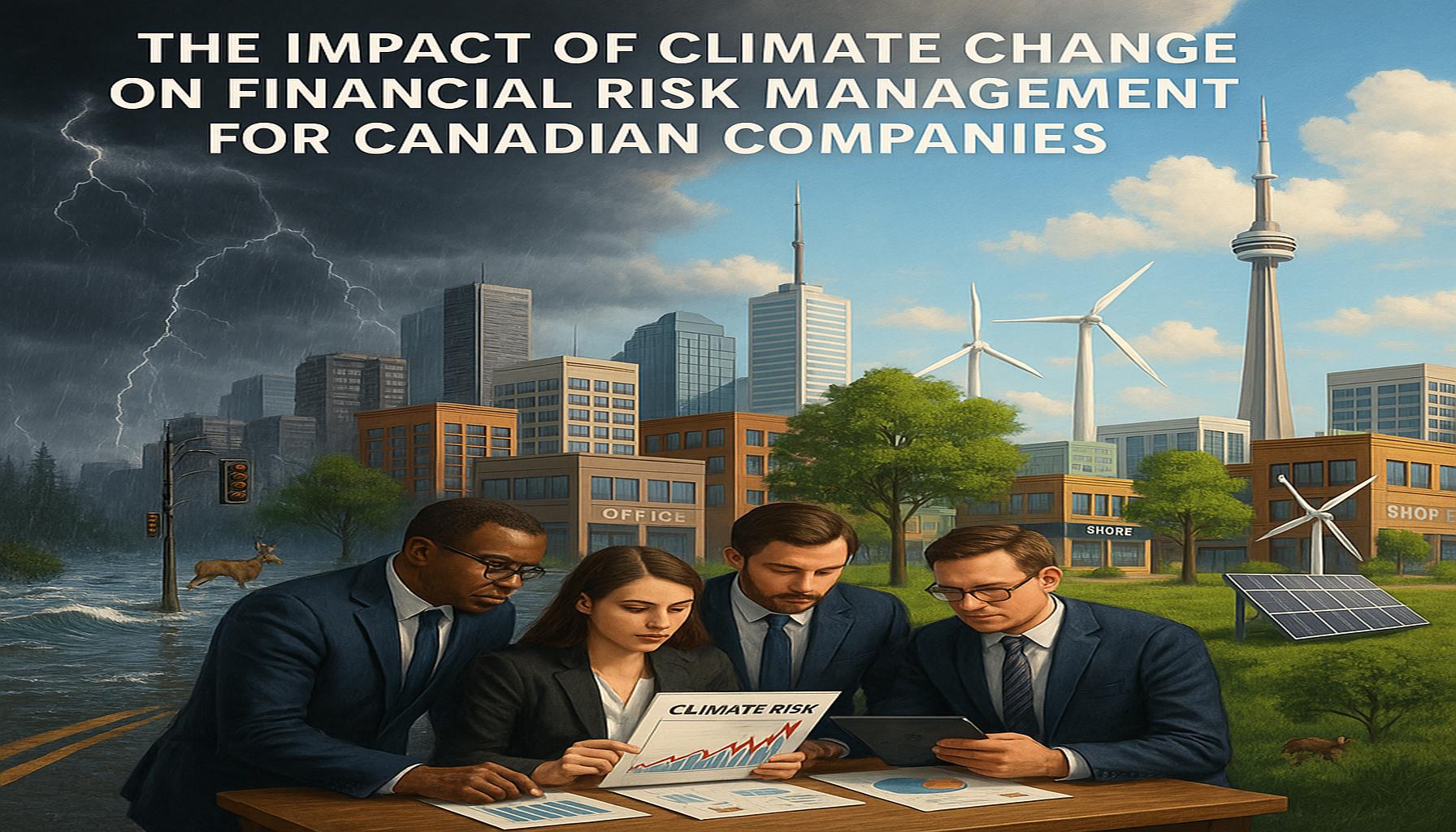
Today, climate change emerges as an existential threat that necessitates a reevaluation of risk management strategies across various industries. The recent uptick in severe weather events—think wildfires in British Columbia or flooding in Ontario—has underscored the real and immediate consequences of altered climatic conditions.
Key Areas of Concern
As the financial landscape continues to evolve under the pressure of climate change, several key risk categories come to the forefront:
- Physical Risks: Property damage from extreme weather events, such as hurricanes or floods, has the potential to devastate infrastructure, disrupting businesses and local economies. For instance, in 2018, the flooding in Eastern Canada led to millions in damages, affecting thousands of residents and businesses.
- Transitional Risks: With shifting regulations aimed at reducing carbon emissions, companies are faced with the imperative to adopt sustainable practices. This transition may necessitate significant investments in new technologies or methods, as seen with Canadian energy companies pivoting towards renewable sources.
- Liability Risks: As public awareness of environmental issues grows, litigation related to a company’s environmental impact is expected to increase. For instance, Canadian firms may find themselves in court over issues linked to pollution or resource exploitation, resulting in substantial financial penalties.
Historical Reflections
The lessons learned from past crises, such as the oil crisis of the 1970s, further elucidate the fragility of economic systems when they fail to incorporate environmental considerations. Canadian businesses, heavily reliant on the energy sector, experienced direct impacts on prices and availability, leading to economic uncertainty. This period highlighted the pressing need for diversification and innovation in financial strategies to withstand similar shocks.
Looking Ahead
Understanding these historical contexts allows Canadian companies today to frame their financial approaches more effectively. By adopting proactive financial strategies, such as investing in risk assessment tools and sustainability initiatives, companies can better mitigate risks associated with climate change. These steps not only fortify their economic standings but also contribute to a more resilient economy for the future.
In conclusion, as Canada navigates the complexities of climate change, it becomes imperative for businesses to heed the lessons of history, embracing adaptation and foresight as cornerstones of their financial strategy. In doing so, they not only safeguard their interests but also contribute to a sustainable economic environment for generations to come.
DIVE DEEPER: Click here to discover essential tax planning strategies
Navigating Financial Risk through Historical Insights
The historical context surrounding financial risk management provides invaluable insights for Canadian companies grappling with the implications of climate change. As our nation faces the escalating impacts of environmental shifts, the financial domain must be fortified against potential upheavals akin to those of past economic crises. Reflecting on the lessons of the past equips businesses with the tools necessary to anticipate challenges that climate change may pose.
One significant event that stands as a cautionary tale is the 1998 ice storm that impacted Quebec and parts of Ontario, leaving millions without power and causing an estimated $5 billion in damages. The subsequent financial ramifications were profound, with various companies encountering operational halts, increased insurance costs, and weakened consumer confidence. Such occurrences highlight how physical risks stemming from climatic events can reverberate throughout the economy, amplifying the need for businesses to develop resilience plans to mitigate similar risks today. The environmental volatility witnessed then underscores the pivotal role that robust risk management frameworks play in ensuring continuity and stability.
The Interconnectedness of Economic Shifts and Environmental Changes
The volatility witnessed during the early 2000s, particularly the dot-com bubble burst, showcased the ramifications of technological and market transitions that failed to account for sustainable practices. Companies that relied heavily on traditional models faced significant financial strain when consumer preferences shifted towards more sustainable solutions. This situation echoes today’s business climate, where organizations must adapt to transitional risks associated with stringent regulations and evolving societal expectations. For instance, Canadian automotive manufacturers investing heavily in electric vehicle technologies in response to environmental mandates illustrate a proactive approach to mitigating transitional risks.
Moreover, the rise of social activism related to climate change has introduced liability risks that companies must now factor into their financial risk management considerations. Public awareness surrounding environmental practices has intensified, raising the stakes significantly for companies with inadequate sustainability measures. Legal actions against corporations perceived to have insufficiently responded to climate change, particularly those linked to significant pollution or resource depletion, can lead to devastating financial losses, as seen in various environmental lawsuits across the globe.
As Canadian businesses continue to navigate the economic landscape reshaped by climate change, understanding these interconnections remains crucial. Drawing upon historical experiences allows them to frame their financial strategies in innovative ways that prioritize sustainability and preparedness. While history provides insights into past pitfalls, it also reveals pathways to resilient practices that allow companies to persevere in an uncertain future.
In summary, the impressions left by previous financial crises guide today’s corporate decision-makers in recognizing the potential impacts of climate change. The lessons learned propel the necessity for integrating comprehensive risk management strategies, ensuring that firms are not only reactive but also proactive in bolstering their financial foundations in the face of an ever-evolving environment.
DISCOVER MORE: Click here to learn how to apply
Emerging Trends and Strategic Financial Adaptation
As climate change continues to exert pressure on financial landscapes, Canadian companies must also acknowledge the importance of emerging trends in risk management practices. The importance of integrating sustainability criteria into financial decision-making is becoming increasingly critical. Historical parallels can be drawn from the 2008 financial crisis, during which the failure to recognize systemic risks, particularly in the real estate market, led to a widespread economic downturn. This serves as a reminder that holistic risk assessments, now inclusive of environmental perspectives, are essential for fostering long-term stability.
Investors and stakeholders today exhibit heightened expectations for transparency and accountability in sustainability practices. Consequently, companies are increasingly tasked with implementing environmental, social, and governance (ESG) reporting measures. For instance, Canadian oil and gas companies are now more frequently disclosing their carbon footprints and adopting targets in line with international climate agreements. This shift mirrors the financial sectors’ growing recognition that managing climate-related risks is not merely an ethical obligation but a strategic necessity that can protect shareholder value and ensure market competitiveness.
Risk Mitigation through Innovative Financial Instruments
The evolution of financial instrument strategies provides a further layer to the conversation surrounding climate change and financial risk management. The emergence of green bonds represents one such innovation, allowing companies to raise capital specifically for projects aimed at environmental sustainability. This financial tool can strengthen a firm’s resilience against climate risks, while appealing to a widening pool of eco-conscious investors. Furthermore, Canadian municipalities have begun adopting these instruments to fund infrastructure improvements designed to withstand the impacts of climate change.
While recognizing the potential benefits of green financing, Canadian businesses must also remain vigilant about physical climate risks to their assets. As severe weather incidents become more frequent—evidenced by the devastating wildfires of 2023 that swept through parts of British Columbia—companies must adopt strategies such as climate scenario analysis to better prepare for and respond to climate-related operational disruptions. Historical data from such events can inform better risk pricing and ensure that insurers remain solvent in the face of increasing claims. Lessons derived from these occurrences bolster the necessity for financial institutions to integrate climate risk modeling into their underwriting and investment processes.
Forging Collaborative Partnerships for Resilience
Taking a cue from past crises, such as the 2001 recession that prompted a wave of cooperation across industries to stabilize economies, today’s businesses must foster collaborative partnerships to enhance financial resilience against climate change. Initiatives like the Task Force on Climate-related Financial Disclosures (TCFD) provide frameworks for entities to share best practices in managing climate-related financial risks, further embedding sustainability into corporate ethos. By working together, companies can share innovations and insights to enhance risk management strategies, thus fortifying the broader economic landscape.
In effect, as Canadian companies grapple with the complex realities of climate change, the legacies of previous financial events shape their approaches to risk management. The confluence of historical lessons, innovative financial instruments, and collaborative networks underscores the necessity for a comprehensive strategy that not only addresses current challenges but also prepares for the increasing unpredictability of our climate-altered world. This adaptive mindset is not merely an option but rather a vital component of future-proofing businesses in an evolving market.
CHECK OUT: Click here to learn how to apply for the National Bank MyCredit Mastercard
Conclusion
The intersection of climate change and financial risk management for Canadian companies presents a landscape fraught with both challenges and opportunities. As history has shown, the financial repercussions of systemic risks, as evidenced by crises such as the 2008 economic downfall, highlight the critical need for a comprehensive understanding of the impacts of environmental factors on fiscal stability. In navigating these turbulent waters, a new era of sustainability integration has emerged, compelling businesses to not only adopt ESG reporting measures but to actively embed them into their core strategies.
Innovative financial instruments, like green bonds, symbolize the evolving approach to financing that aligns with the urgent demands of our time. The 2023 wildfires serve as a stark reminder that the physical risks posed by climate change can no longer be overlooked but must be systematically analyzed to inform risk management practices. In recognizing this, companies are thus prompted to embrace scenario planning and enhance their resilience against potential disruptions.
Moreover, the importance of forging collaborative partnerships cannot be understated. By uniting across sectors to share knowledge and best practices, businesses can collectively fortify the economic landscape against the unpredictable consequences of climate variability. In essence, the lessons of the past are pivotal in shaping a future where sound financial decisions are intertwined with environmental consciousness. As Canada moves forward, adopting an adaptable and proactive mindset toward climate-related financial risks will be essential not just for individual firms, but for the economic fabric of the nation as a whole.

Linda Carter
Linda Carter is a writer and financial expert specializing in personal finance and financial planning. With extensive experience helping individuals achieve financial stability and make informed decisions, Linda shares her knowledge on our platform. Her goal is to empower readers with practical advice and strategies for financial success.