The Benefits and Challenges of Using Credit Cards in Canada
The Evolution of Credit Systems
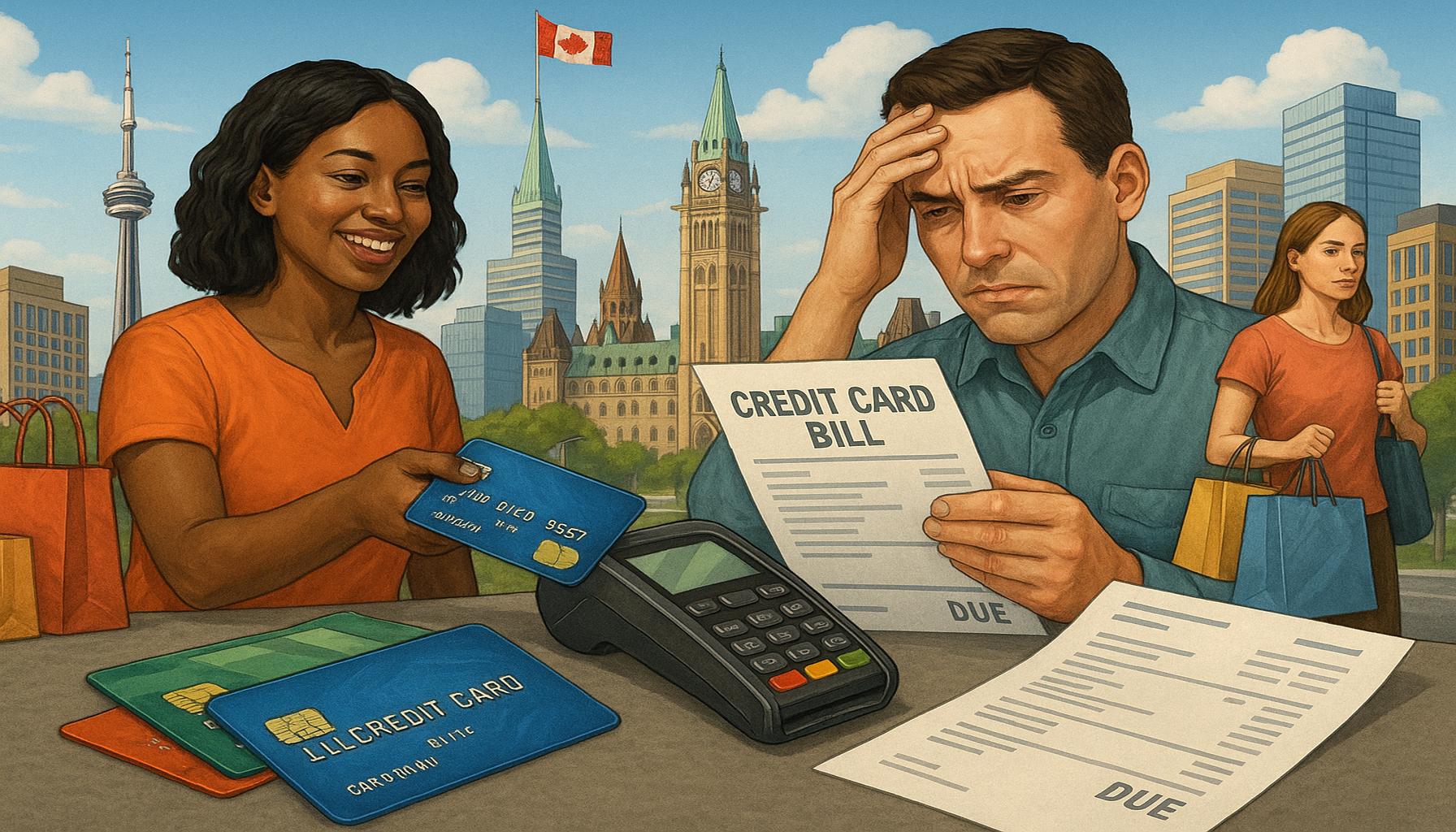
Throughout the annals of history, financial systems have undergone significant transformations, invariably reflective of the evolving behaviors and needs of society. The transition to credit cards in the 1960s in Canada was particularly monumental, heralding a new era in consumer finance. By providing a means for more straightforward transactions, credit cards not only enhanced convenience but also initiated a cultural shift towards consumerism. The ease with which individuals could now access credit contributed to a burgeoning middle class, enabling a lifestyle characterized by instant gratification and consumer choice.
As we traverse the complexities of modern economics, it becomes increasingly essential to understand both the benefits and challenges associated with credit card usage today. Each aspect warrants careful consideration, as it affects personal finance strategies and broader economic trends.
Benefits of Credit Card Usage
- Enhanced purchasing power and convenience: Credit cards have revolutionized shopping, allowing Canadians to acquire goods and services without needing immediate cash. This shift has particularly benefited online shopping, where credit cards offer secure transaction methods and immediate purchases.
- Access to rewards and cashback programs: Many credit cards in Canada come with enticing rewards programs. For example, cards tied to specific retailers provide cashback on groceries or travel rewards, which can significantly benefit regular users who strategically utilize these incentivizing features.
- Improved credit history and financial literacy: Responsible credit use plays a critical role in establishing and enhancing one’s credit history. A good credit score can facilitate major life decisions, such as purchasing a home or securing loans. Furthermore, the necessity of managing credit responsibly has fostered a heightened sense of financial literacy among consumers.
Challenges Faced by Credit Card Holders
- Risk of debt accumulation and high-interest rates: While credit cards can empower consumers, they also pose a significant risk. The allure of credit can lead to overspending, often resulting in debt that accrues interest at alarming rates. For instance, many Canadians have faced hardship due to rising credit card debts, urging consumers to be vigilant about their borrowing habits.
- Potential for identity theft and fraud: The increase in online transactions has unfortunately led to a rise in cases of identity theft and credit card fraud. Consumers must remain proactive, monitoring their statements for unauthorized charges and employing security measures to safeguard their information.
- Difficulty in managing spending habits: With a readily available line of credit, individuals may find it challenging to maintain discipline in their spending. This temptation can lead to habitual overuse, complicating personal financial management significantly.
Reflecting on the lessons learned from past financial crises, particularly the 2008 economic collapse, underscores the importance of responsible credit use. That pivotal moment in financial history revealed the catastrophic consequences of unchecked debt and poor financial practices. As a result, consumers today are more educated and acutely aware of the implications of debt. It is crucial for individuals to balance the dynamic appeal of credit with judicious financial decisions, paving the way for a healthier economic landscape in Canada.
DISCOVER MORE: Click here for details on applying for the MBNA Rewards Platinum Plus Mastercard
The Double-Edged Sword of Credit Cards
As Canadians have embraced the convenience of credit cards, their popularity has surged, marking a significant shift in payment paradigms. With approximately 75% of the Canadian population holding at least one credit card, the implications of this widespread usage cannot be understated. Credit cards serve not merely as a payment method but as a critical component of personal finance management. However, while the benefits are pronounced, there are also inherent challenges that individuals must navigate.
Expanded Opportunities for Consumers
- Financial flexibility and emergency funding: Credit cards offer a financial safety net in times of need, allowing Canadians to cover unforeseen expenses such as medical bills or car repairs. This accessibility is particularly valuable in a country where healthcare costs can be unpredictable and emergencies can arise without warning.
- Global acceptance: With Canada being a nation that prides itself on travel and globalization, credit cards enable Canadians to effortlessly make purchases across the globe. This ease of use at international destinations eliminates the need for currency exchanges, allowing for smoother transactions while exploring new cultures.
- Consumer protection and dispute resolution: Credit cards often come with built-in protections that safeguard consumers against fraud or unauthorized charges. Canadian laws require financial institutions to investigate disputes, which can provide a sense of security when shopping online or making significant purchases.
Moreover, the historical context of credit use in Canada reveals a gradual transition towards a reliance on credit products. The introduction of the Canadian Payments Act in 2001 paved the way for enhanced consumer protection and transparency within the credit card industry, reflecting a growing recognition of the need for responsible borrowing. This development signaled a shift towards ensuring that consumers understood their rights and obligations in a credit-centric economy.
Challenges to Consider in Modern Usage
- Economic downturns and unpaid debts: The financial crises of the late 2000s serve as a cautionary tale regarding credit card use. As the nation grappled with rising unemployment and home foreclosures, many Canadians found themselves with unsustainable credit card debts. This historical lesson emphasizes the importance of prudent spending habits during both prosperous and turbulent economic periods.
- Impact on mental health and financial stress: The psychological burden of carrying credit card debt can weigh heavily on individuals, contributing to stress and anxiety. Many Canadians report that financial troubles directly affect their well-being, signaling the urgent need for balanced financial health and responsible credit management.
- Fluctuating interest rates: The unpredictability of interest rates can dramatically influence the cost of carrying a balance on credit cards. Canadians must remain vigilant, understanding that what may seem like a manageable debt today could spiral into a financial burden as rates fluctuate, affecting monthly payments and overall financial planning.
In reflecting on the societal lessons imparted by the financial turbulence of the past, it becomes evident that responsible credit card use is a skill that requires continual refinement. By addressing the benefits and challenges of credit card usage in Canada, current and prospective cardholders can aspire to cultivate a more informed and sustainable approach to credit, ultimately securing their financial futures amidst an ever-evolving economic landscape.
LEARN MORE: Click here for details on applying
Lessons from the Past: Shaping the Future of Credit Use
To truly comprehend the benefits and challenges presented by credit cards in Canada, it is essential to delve into the historical backbone of credit practices within the nation. The evolution of consumer culture and credit usage is marked by significant events that have shaped the landscape of personal finance. One of the most defining periods in this regard was the early 1990s recession, which forced many Canadians to reassess their reliance on credit. The lessons learned during this time emphasized the importance of establishing robust financial habits, an awareness that continues to resonate with consumers today.
The Rise of Financial Literacy
- Increased awareness of credit scores: With the rise of credit card usage came a heightened awareness of personal credit scores. In the past, many individuals were unaware of how their financial behavior directly impacted their credit ratings. Historical awareness campaigns and financial literacy programs have emerged in recent years, equipping Canadians with the understanding necessary to maintain healthy credit scores, thereby maximizing the benefits of their credit cards.
- Access to educational resources: The digitization of financial information has created an unprecedented wave of access to educational resources. Websites, apps, and workshops, once scarce, now flourish, providing Canadians the tools to navigate their credit journeys confidently. This transformation owes itself to lessons learned from past credit failures, underscoring the correlation between knowledge and responsible credit use.
Cultural Shifts in Spending Behavior
- Shift toward conscious spending: The historical backdrop of rising household debt has instigated a cultural shift toward more conscious spending in Canada. Past experiences of economic downturn have led many to prioritize essential purchases over impulsive buys. This change allows Canadian consumers to leverage their credit cards for planned expenses rather than indulging in spontaneous purchases that could yield debt.
- Emergence of budgeting technologies: The current decade has witnessed the birth of numerous budgeting tools and apps that help Canadians track spending, budget wisely, and pay down credit card debts. These technologies are a direct response to prior financial crises and consumer mismanagement, indicating a commitment to learning from past mistakes. Encouragingly, these tools empower Canadians to regain control over their financial futures through disciplined credit use.
Changes in Market Dynamics
- The competition among credit card issuers: The Canadian credit card market has become increasingly competitive, driving financial institutions to offer appealing perks and benefits. While rewards programs and cash-back offers were not widespread a few decades ago, they are now commonplace, illustrating how consumer demands have prompted issuers to enhance their products constantly. This competition fosters a landscape where informed consumers can strategically choose credit cards that align with their financial goals.
- Increased scrutiny of lending practices: The sweeping changes in financial regulations following the 2008 global financial crisis introduced a wave of reforms aimed at protecting consumers from predatory lending. Consequently, Canadians benefit from a more transparent credit environment today, empowering them to make informed decisions about credit usage and enabling them to scrutinize their lenders.
By examining the evolution of credit card usage in Canada through these historical lenses, it becomes evident that both the benefits and challenges of credit cards are deeply intertwined with the collective experiences of Canadians. This rich background not only informs current practices but also prepares future generations to embrace credit with a more educated and aware perspective, helping to secure financial stability in an ever-evolving economic climate.
LEARN MORE: Click here for the full guide
Embracing Responsible Credit Use in Canada
The journey of credit card usage in Canada is a tapestry woven from lessons of the past and the evolutions of consumer behavior. As evidenced by historical financial shifts, Canadians have transformed their relationship with credit from unchecked reliance to a more strategic and informed approach. Today, the benefits of credit cards—including enhanced purchasing power, cash-back rewards, and improved credit scores—provide opportunities for financial advancement when wielded responsibly.
However, the shadows of credit challenges such as debt accumulation and overspending remain pertinent, prompting consumers to exercise caution. The rise of financial literacy initiatives and budgeting technologies enables Canadians to confront these challenges head-on, fostering a culture of informed financial decision-making. These developments reflect a commitment to learning from past economic missteps, ensuring that consumers can maximize the potential of their credit cards while safeguarding against pitfalls.
Looking forward, the evolution of credit practices will undoubtedly feature ongoing dialogue about responsible credit use, driven by a growing appetite for transparency and consumer empowerment. It is this blend of historical awareness and modern technological advancements that will shape the future landscape of credit in Canada, ensuring future generations can navigate their credit journeys with knowledge and confidence. Ultimately, by embracing the lessons of the past, Canadians can confidently leverage credit cards not just as a tool for spending, but as a pathway to financial health and stability.