
Technical Analysis vs. Fundamental Analysis: Which is the Best Approach for Investors in Canada?
Understanding Investment Approaches
In the world of investing, the strategies adopted by individuals often play a critical role in determining their financial outcomes. The economic downturn of the early 2000s in Canada serves as a stark reminder of how vital informed decision-making can be. With the backdrop of fluctuating markets, investors are encouraged to explore the tools at their disposal, including technical analysis and fundamental analysis.
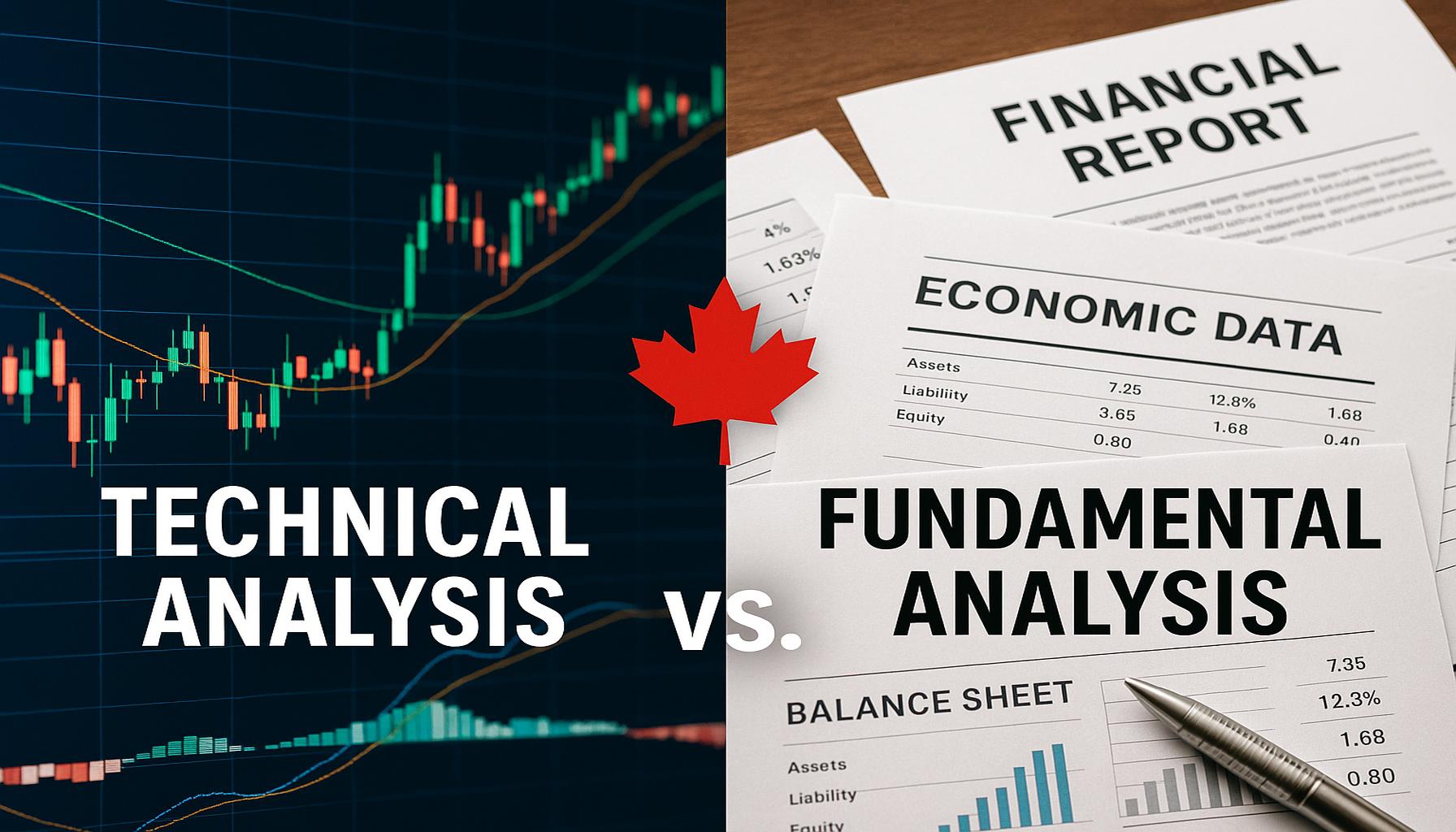
Each of these methodologies offers unique advantages and is shaped by the lessons learned from historical financial events. Their characteristics can guide investors in formulating their strategies effectively. Consider the following:
- Technical Analysis: This method emphasizes studying price movements and market trends to predict future activity. Investors often rely on charts, moving averages, and various indicators to identify entry and exit points. For instance, during the tech boom of the 1990s, technical analysts who utilized these tools were able to capitalize on the rapid rise of internet-based stocks, maximizing their returns as they correctly anticipated price surges.
- Fundamental Analysis: In contrast, fundamental analysis looks to discern a company’s intrinsic value by evaluating economic indicators, financial health, and overall market conditions. Notable events like the 2008 financial crisis underscore the importance of grasping these fundamentals. Many investors who relied exclusively on technical indicators found themselves unprepared for the market collapse, as they had overlooked critical signs such as declining earnings and unsustainable debt levels.
The financial crisis of 2008 was a pivotal moment that reshaped investor perspectives. It emphasized the necessity of understanding market fundamentals; investors who had a solid grasp of company valuations, debt levels, and broader economic indicators fared significantly better during the downturn. In stark contrast, the euphoric atmosphere of the roaring 90s saw many diverting their focus toward technical strategies that failed to account for underlying weaknesses, ultimately leading to steep losses.
Today, as the Canadian market evolves rapidly amidst technological advancements and economic changes, it is more essential than ever for investors to choose their strategies wisely. By understanding the distinctions between technical and fundamental analyses, they not only navigate current challenges more effectively but also gain insights into future market trajectories. Reminiscing about historical economic decisions illuminates the path forward, reminding investors that the lessons of the past remain relevant as they build their investment narratives in an ever-changing financial landscape.
DISCOVER MORE: Click here for details on applying
The Historical Context of Analysis Techniques
To truly understand the debate between technical analysis and fundamental analysis, one must consider the historical context that has shaped these methodologies. The evolution of financial markets in Canada has been characterized by events that have tested the resilience of both strategies, providing invaluable lessons to investors today. An examination of key market events reveals how these approaches were employed and the outcomes they yielded.
The 1980s and 1990s saw a transformation in the Canadian investment landscape, with a burgeoning interest in technology and speculative stocks. This period was marked by the rise of technical analysis, where investors began to favor price charts and trend lines over traditional methods. Technical analysts thrived during the dot-com bubble, leveraging patterns and momentum indicators to capitalize on the rapid price increases of technology stocks. Many Canadians saw substantial gains, buoyed by bullish sentiment and an influx of investment into tech enterprises. However, when the bubble burst in the early 2000s, those reliant solely on technical signals found themselves ill-prepared, as the underlying fundamentals of many companies were deteriorating.
In stark contrast, fundamental analysis demands a deeper inquiry into a company’s financial condition, considering metrics such as earnings per share, debt ratios, and market share. The importance of this approach was underscored during the 2008 financial crisis, a pivotal moment that reshaped investor perspectives. Those who had maintained a focus on fundamental indicators were able to identify early warning signs: subprime mortgage issues, unsustainable debt levels, and declining consumer confidence. Investors equipped with this knowledge were better positioned to mitigate catastrophes, illustrating the importance of understanding the economic landscape beyond mere price movements.
In Canada, sectors such as energy and real estate have undergone significant transformations, directly impacting both analysis methods. For instance, the fluctuations in oil prices have prompted many investors to closely analyze the financial health of energy companies. Those employing fundamental analysis scrutinized a company’s balance sheet, assessing cash flow and debt management, thereby positioning themselves favorably amidst volatility. Conversely, technical analysts focused on price trends and historical charts, which can sometimes prove misleading without the backdrop of a company’s real economic standing.
As we navigate the present Canadian market, characterized by rapid technological advancements and shifting economic conditions, it becomes imperative to discern the benefits of each analysis method. Historical experiences underscore the risks associated with an over-reliance on either approach, emphasizing the necessity of a balanced strategy that incorporates elements from both realms. For today’s investors in Canada, the lessons drawn from past events foster a more comprehensive understanding of how to approach investment decisions effectively.
DISCOVER MORE: Click here to learn how to apply for the Amex Platinum Card
The Current State of the Debate: Relevance and Application
As the investment landscape in Canada continues to evolve, investors are compelled to reassess the effectiveness of technical analysis and fundamental analysis. The advent of advanced technology and algorithmic trading platforms has immensely influenced how market participants approach their investment strategies. Investors who once relied heavily on traditional methods are now confronted with the need to adapt to real-time data and market sentiment, each of which plays a pivotal role in today’s fast-paced environment.
In recent years, we have witnessed the rise of retail trading, greatly spurred by platforms that allow everyday Canadians to engage in the stock market with unprecedented ease. This democratization of trading underscores a growing inclination towards technical analysis, where individual investors leverage charts and indicators to make decisions often based on emotion and market psychology. The GameStop saga in early 2021 illustrated this phenomenon, as retail investors used social media to drive stock prices higher without a traditional basis in company fundamentals. For many, this volatile episode highlighted the power of collective sentiment, showcasing that technical factors could triumph over fundamental insights in the short term.
Conversely, the pandemic has reinforced the necessity of underpinning one’s investment decisions with solid fundamentals. The economic upheaval brought about by COVID-19 forced many businesses to pivot or reevaluate their viability. Investors with a fundamental approach were able to discern which companies maintained robust balance sheets, liquid assets, and adaptive business models, allowing them to withstand financial turmoil. In Canada, the resilience of firms in the technology sector, such as Shopify and Teladoc Health, has further emphasized the importance of understanding financial fundamentals in a rapidly changing market environment.
Moreover, the oil and gas sector remains a crucial facet of Canada’s economy. The wild fluctuations in oil prices have underscored the value of fundamental analysis in understanding geopolitical implications and industry-specific dynamics. As the world transitions towards renewable energy, investors are faced with the task of assessing not only current financial performance but also long-term sustainability and adaptability. Hence, a fundamental analysis approach becomes indispensable in determining a company’s true worth, especially in legacy sectors facing disruption.
The lessons learned from notable market events underscore the significance of adopting a hybrid approach. As seen with the rise of ESG (Environmental, Social, Governance) investing, the integration of qualitative and quantitative metrics represents a growing trend among savvy investors. It is no longer sufficient to disregard the significance of ethical considerations amidst the chase for profit. Canadian investors are increasingly recognizing the relevance of fundamental indicators alongside technical methodologies, aligning their values with their portfolios.
Furthermore, the emergence of big data analytics opens new avenues for both technical and fundamental analysis. Investors can harness vast datasets to identify patterns, correlations, and anomalies that were previously unimaginable. This holistic approach amalgamates the best of both worlds, allowing experienced investors to formulate strategies that are informed by real-time market dynamics while remaining grounded in fundamental valuations.
In examining the ongoing debates between technical and fundamental analysis, it is evident that the key to investment success lies not in an exclusive reliance on one method. Rather, a synthesized strategy that embraces both could provide investors in Canada with a robust framework, enabling them to navigate the complexities of modern markets effectively.
DISCOVER: Click here to learn about technology’s impact on tax optimization
Conclusion: Embracing a Balanced Investment Approach
The discourse surrounding technical analysis and fundamental analysis presents not only a remarkable reflection of investment philosophies but also serves as a compass for Canadian investors navigating the ever-evolving financial landscape. Historical events, such as the 2008 financial crisis, remind us that reliance on fundamentals can safeguard against unforeseen vulnerabilities, while the transformative power of technology in recent years has underscored the effectiveness of technical analysis in capturing market mood swings.
As the Canadian market continues to grapple with the dual forces of global disruption and local economic shifts, particularly in pivotal sectors such as energy and technology, the lessons of the past have illuminated a path forward. Reliance on a singular approach can often result in missed opportunities or increased risks, underscoring the necessity for an integrated strategy. Investment triumphs require a blend of fundamental insights, rooted in a company’s financial health and market position, alongside technical tactics that leverage market trends and sentiment analysis.
Ultimately, Canadian investors stand to gain the most by fostering a hybrid methodology. This dual approach, supplemented by advancements in big data analytics and ethical investing trends such as ESG, builds resilience against market volatility while aligning with broader societal values. By appreciating the strengths of both analyses, investors can navigate the intricate tapestry of today’s financial world with confidence, ensuring that their strategies are not only sound but also aligned with both earning potential and ethical considerations.