Menu

Tax Optimization for Investors: How to Minimize Capital Gains Taxes in Canada

This article explores the evolution of taxation in Canada and its impact on modern investors seeking to minimize capital gains taxes. It emphasizes the importance of tax optimization strategies, including long-term holding, tax-loss harvesting, and using tax-advantaged accounts, to enhance financial outcomes and navigate complex tax regulations effectively.

The Impact of New Tax Laws on Tax Optimization for Canadian Residents

This article explores the influence of recent tax laws on tax optimization strategies for Canadian residents. It highlights the historical evolution of tax policies, emphasizing the need for informed decision-making to adapt to new regulations, capitalize on incentives, and effectively navigate complexities for financial resilience in a changing economic landscape.

Tax Planning Strategies for Small Businesses in Canada

This article explores effective tax planning strategies for small businesses in Canada, emphasizing the historical evolution of taxation. It highlights the significance of leveraging deductions, utilizing tax credits, incorporating for tax deferral, and engaging with accountants to navigate compliance. By adopting these strategies, entrepreneurs can enhance financial sustainability and growth potential.

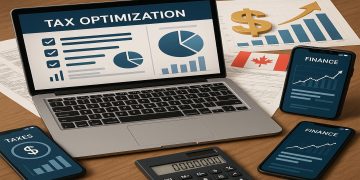
Comparison of Tax Optimization Methods: Deduction vs. Tax Credit in the Canadian Context

This overview explores tax optimization methods in Canada, comparing tax deductions and tax credits. While deductions lower taxable income and benefit higher earners, tax credits provide immediate relief, particularly for low-income individuals. The historical context highlights their distinct roles in promoting financial equity and responding to socio-economic needs.

The Role of Technology in Tax Optimization: Tools and Applications for Canadian Taxpayers

This overview explores how technological advancements, such as blockchain and cloud computing, have transformed tax optimization for Canadian taxpayers. Emphasizing increased accessibility, efficiency, and accuracy, modern tools empower individuals and businesses to proactively engage in financial management, enhancing their tax strategies and fostering greater financial well-being.