Menu

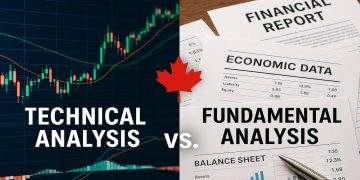
Technical Analysis vs. Fundamental Analysis: Which Approach is Better for Beginner Investors?

This article explores the merits of technical analysis and fundamental analysis for beginner investors, emphasizing their historical contexts and practical applications. It advocates for a combined approach, allowing novices to make informed decisions by understanding market sentiment and intrinsic value, ultimately enhancing their investment strategies in a complex financial landscape.

Sustainable Investment Strategies: Profitability and Social Responsibility

The article explores the progression of sustainable investment strategies, highlighting their intertwined relationship with profitability and social responsibility. It emphasizes the significance of historical events in shaping modern ethical investing practices while showcasing successful examples from Canada, illustrating the potential for financial growth through socially responsible investments.

Investment Strategies in Fixed Income: How to Navigate Changing Interest Rates

Explore how historical cycles of rising and falling interest rates influence fixed income investment strategies. By examining past economic events, investors can adapt their approaches, considering factors like investment horizon, market volatility, and diversification to successfully navigate today's changing interest rates while maximizing returns and managing risk.

Investment in ETFs: Advantages and Disadvantages for the Modern Investor

Explore the evolving landscape of Exchange-Traded Funds (ETFs), highlighting their cost efficiency, liquidity, and diversification benefits for modern investors. While ETFs offer significant advantages, understanding the associated risks, such as tracking errors and market fads, is crucial for informed investment decisions in today’s dynamic market environment.

Investment Diversification: How to Minimize Risks in a Volatile Market

Diversification is essential for investors to minimize risks amidst market volatility. Historical lessons highlight the importance of spreading investments across various asset classes and sectors. By understanding behavioral biases and adopting a long-term strategy, investors can build resilient portfolios that withstand economic fluctuations and capitalize on growth opportunities.