Menu

Tax Optimization for Investors: How to Minimize Capital Gains Taxes in Canada

This article explores the evolution of taxation in Canada and its impact on modern investors seeking to minimize capital gains taxes. It emphasizes the importance of tax optimization strategies, including long-term holding, tax-loss harvesting, and using tax-advantaged accounts, to enhance financial outcomes and navigate complex tax regulations effectively.

The Impact of New Tax Laws on Tax Optimization for Canadian Residents

This article explores the influence of recent tax laws on tax optimization strategies for Canadian residents. It highlights the historical evolution of tax policies, emphasizing the need for informed decision-making to adapt to new regulations, capitalize on incentives, and effectively navigate complexities for financial resilience in a changing economic landscape.

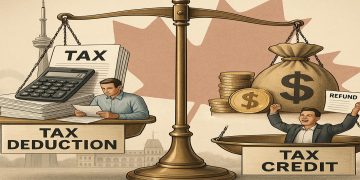
Comparison of Tax Optimization Methods: Deduction vs. Tax Credit in the Canadian Context

This overview explores tax optimization methods in Canada, comparing tax deductions and tax credits. While deductions lower taxable income and benefit higher earners, tax credits provide immediate relief, particularly for low-income individuals. The historical context highlights their distinct roles in promoting financial equity and responding to socio-economic needs.

Tax Planning Strategies for Small Businesses in Canada

This article explores effective tax planning strategies for small businesses in Canada, emphasizing the historical evolution of taxation. It highlights the significance of leveraging deductions, utilizing tax credits, incorporating for tax deferral, and engaging with accountants to navigate compliance. By adopting these strategies, entrepreneurs can enhance financial sustainability and growth potential.


The Role of Technology in Tax Optimization: Tools and Applications for Canadian Taxpayers

This overview explores how technological advancements, such as blockchain and cloud computing, have transformed tax optimization for Canadian taxpayers. Emphasizing increased accessibility, efficiency, and accuracy, modern tools empower individuals and businesses to proactively engage in financial management, enhancing their tax strategies and fostering greater financial well-being.

Strategies to Manage Credit Card Debt and Improve Credit Score in Canada

The article explores effective strategies for managing credit card debt and improving credit scores in Canada. It emphasizes the importance of budgeting, prioritizing debt repayment, utilizing balance transfers, and seeking professional guidance, all while reflecting on historical financial insights to cultivate enduring financial resilience.

Impact of Credit Card Interest Rates on the Financial Health of Canadians

Credit card interest rates significantly affect the financial health of Canadians, compounded by historical economic events and rising inflation. Understanding credit management, embracing financial literacy, and budgeting are crucial for maintaining financial stability and avoiding debt pitfalls in today's challenging economic landscape.

The Role of Credit Cards in Sustainable Purchasing and Conscious Consumption in Canada

Credit cards in Canada have evolved from simple transactional tools to catalysts for sustainable purchasing and conscious consumption. By offering incentives for eco-friendly purchases and supporting local businesses, they empower consumers to make informed financial choices that align with their values, driving a shift towards greater environmental responsibility.

How to Choose the Ideal Credit Card for Your Lifestyle

Selecting the right credit card impacts your financial health significantly. Consider your spending habits, rewards programs, and annual fees while evaluating options. By aligning credit card choices with personal financial goals and lessons from history, you can enhance your lifestyle and secure a stable financial future.

The Benefits and Challenges of Using Credit Cards in Canada

The article explores the evolution of credit card usage in Canada, highlighting both the advantages, such as enhanced purchasing power and rewards, and challenges, including debt risks and identity theft. It emphasizes the importance of responsible credit management and financial literacy in navigating the credit landscape effectively.