Menu

The Importance of Financial Planning for Young Professionals in Canada

Effective financial planning is essential for young professionals in Canada, drawing lessons from historical economic events. By embracing budgeting, investment strategies, and debt management, they can navigate today's financial landscape and build a secure future while contributing to overall economic stability. Adapting to modern financial practices is key for success.

How Financial Planning Can Help Families Face Economic Crises

Effective financial planning is crucial for Canadian families to withstand economic crises. By implementing budgeting, building emergency funds, securing insurance, diversifying income sources, and managing debt, families can enhance their resilience. Learning from past financial struggles equips them to navigate current uncertainties and fosters long-term stability and prosperity.


Financial Planning for Entrepreneurs: How to Structure Your Finances at the Start of a Business

This article explores essential financial planning strategies for entrepreneurs, emphasizing the importance of budgeting, cash flow management, and building an emergency fund. By drawing lessons from historical financial crises, it guides new businesses to establish a solid financial foundation that promotes resilience and long-term success in a competitive marketplace.

Investment Strategies and Financial Planning for Retirement in Canada

This article explores crucial investment strategies and financial planning for retirement in Canada, emphasizing the lessons learned from historical economic events. It highlights the importance of diversification, long-term vision, emergency funds, and modern financial tools like RRSPs and TFSAs to build resilient portfolios amidst economic uncertainties.

The Role of Financial Planning in Raising Children in Canada

This article explores the critical importance of financial planning for Canadian families raising children. It emphasizes budgeting, setting long-term financial goals, and investing in education through programs like RESPs. By learning from economic history and focusing on financial literacy, families can secure a stable and promising future for their children.

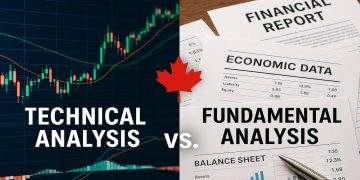
Technical Analysis vs. Fundamental Analysis: Which is the Best Approach for Investors in Canada?

Investors in Canada face a critical choice between technical analysis, which focuses on price trends, and fundamental analysis, which evaluates a company's financial health. Both strategies offer valuable insights but require a balanced approach. Understanding their strengths can help navigate an evolving market and optimize investment outcomes.

Investment Strategies in Real Estate: Opportunities in the Canadian Market

The article explores investment strategies in the Canadian real estate market, emphasizing historical insights and current trends. It highlights opportunities in urbanization, shifting demographics, and technological advancements, urging investors to adapt and diversify portfolios for optimal growth amidst evolving market conditions.

Investing in ETFs: Advantages and Disadvantages for the Canadian Investor

This article explores the evolution of investment strategies for Canadian investors, highlighting the advantages and disadvantages of Exchange-Traded Funds (ETFs). It discusses cost-efficiency, diversification, and liquidity, alongside risks such as market volatility and complexity, emphasizing the importance of informed decision-making for successful ETF investments.

Investment in Cryptocurrencies: Challenges and Opportunities for Canadians

Canadians face both challenges and opportunities in investing in cryptocurrencies, influenced by market volatility, evolving regulations, and the rise of decentralized finance. Learning from historical economic shifts, enhancing financial literacy, and remaining informed about regulatory developments are essential for navigating this complex digital asset landscape effectively.

Sustainable Investments: The Growing Interest in Ethical Finance in Canada

Canada is experiencing a significant shift towards sustainable investments as ethical finance gains traction. Driven by environmental concerns, social responsibility, and evolving consumer expectations, this movement reflects a historical reckoning with past financial crises. Investors seek greener portfolios, integrating practices that align profit with purpose for a resilient economic future.